
Hong Kong, Hong Kong Fri, Nov 13, 2026 at 9:00 am HKT
Melbourne, Australia Fri, Nov 13, 2026 at 12:00 noon AEDT
New York, USA Thu, Nov 12, 2026 at 8:00 pm EST
Los Angeles, USA Thu, Nov 12, 2026 at 5:00 pm PST
Technologies for playful interactions like Generative AI and immersive realities are enabling artists and designers to work with new capabilities in narrative storytelling. LLM-based real time interactions and immersive tools allow for customized engagements that can create context-sensitive dialogues and player-centered environments. How may these tools be applied to raise awareness and increase engagement with social good topics like climate change, social identity, sustainability, inclusive communities, or empathy with diverse perspectives?
This session invites practitioners and researchers engaged with the use of diverse tools in SIGGRAPH communities for interactions that invite play, creating gameful engagements that serve particular social good. The interventions created may involve diverse forms like video games to participatory play to installations and playable media. They share the common goal of applying play to make the intervention engaging, rewarding, and experiential, turning static environments into environments of serendipity, make-belief, and imaginative. Social good issues like climate change and sustainability is often difficult to communicate to lay audiences, because the goals are often far from personal agendas and results of the social good issues are often far from alignment to personal interests. Audiences may have pre-formed beliefs and solidified opinions that are hard to change for social good perspectives.
To empower empathy and belief around social good issues, games can create a magic circle for audiences to enter a world unlike their own, where they can experience engagements that encourage switch in perspectives and acceptance of differing beliefs because they exist in a fictional world where opinions no longer align with the real world. Recent work have used art technology such as customized interactive dialogue, immersive environments designed for empathy, etc. to address social good issues using a playful paradigm. The designed playful interactions takes the audience away from opinions and policy debates and into a designed world where the narratives and world logic provides interactive content that tell about the social good narrative in a more engaging way.
Generative AI and immersive tools have particularly led to interest in SIGGRAPH communities involved with building games and interactive narrative interventions that utilizes these capabilities to tell a social good story taking players away from the ordinary world.
- What playful interactions are engendered by these tools?
- How can we overcome the challenges, limitations, and biases of these tools?
- What strategies can we develop in the future applying these tools to playful narrative interactions?
This session hopes to engage the SIGGRAPH community to show their developed concepts as well as explorations in tools for playful engagements with technology. We hope to incubate a sector of game and playful interaction based technologists in SIGGRAPH dedicated to positive social goals of social change and environmental applications.
Chandra Chronicles: In Neuroverse — Rehearsing Kinship through Psychodramatic Play


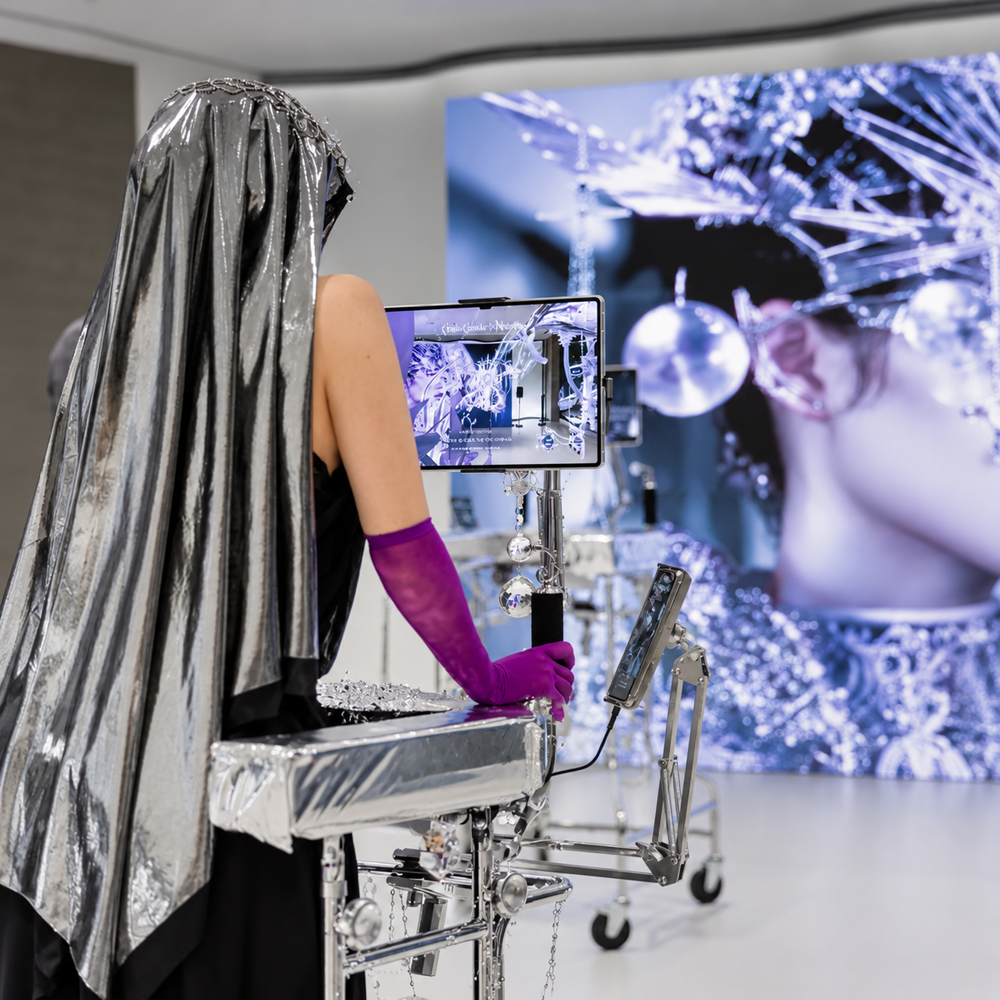
Can we stay attached to someone whose body, memory, or way of responding changes? This talk presents the 2026 iteration of <Chandra Chronicles: In Neuroverse>, bringing an AR-equipped walker, the AI guide “Soma”, and collaboratively authored narratives into a shared fictional world. Audiences are invited to approach other Chandras through an extended body, listen to their chants, and participate in psychodramatic role exchanges: speaking from another position, hearing their own words return through Soma, and revising what those words mean. These small rituals of contact and role-play explore how skinship, or embodied intimacy, might open possibilities for kinship. We discuss how playful encounters can accommodate different sensory rhythms and needs for support, and how attachment to one Chandra might extend to others. Neurodiversity emerges as a question of sustaining relationships through difference and change.
Cold Sweat: A Videogame of Change


How can 3D game environments introduce new ways of developing worldbuilding to players beyond passive observation? This talk presents Cold Sweat: A Video Game of Change, a three-level game spanning five stages (Intro, Mouth, Uncle, The Belly, and The Heart). Moving from functional architecture to expressive surreal world-building, Cold Sweat uses non-linear sandbox progression and fragmented spatial storytelling to examine the psychological residue of societal upheaval and erasure. It is a narration in which the creator tries to piece together his past trauma. Central to the experience is a dual-camera mechanic allowing players to toggle between a claustrophobic first-person view inside a machine and a blurry, wide-angle third-person perspective. Instead of traditional gameplay mastery, movement mechanics emphasize active witnessing and narrative negotiation.
Designing for Exploratory Encounters with the More-than-Human World
This talk introduces our inquiry into designing interactive technologies for exploratory encounters with the more-than-human world. Drawing on our practice across media art and human-computer interaction, we explore how sensing technologies and multisensory media can provide affordances that spark audiences’ curiosity and invite playful exploration as they notice and engage with subtle ecological signals in natural environments. We also reflect on how these experiences might support bodily awareness and connection with nature, and encourage attention and care for the living world.
Expanding Cinematic Language Through Implicit Interaction and Generative Tools

RetroChat: Playing with Digital Memory Through AI-Driven Cyber Cultural Preservation

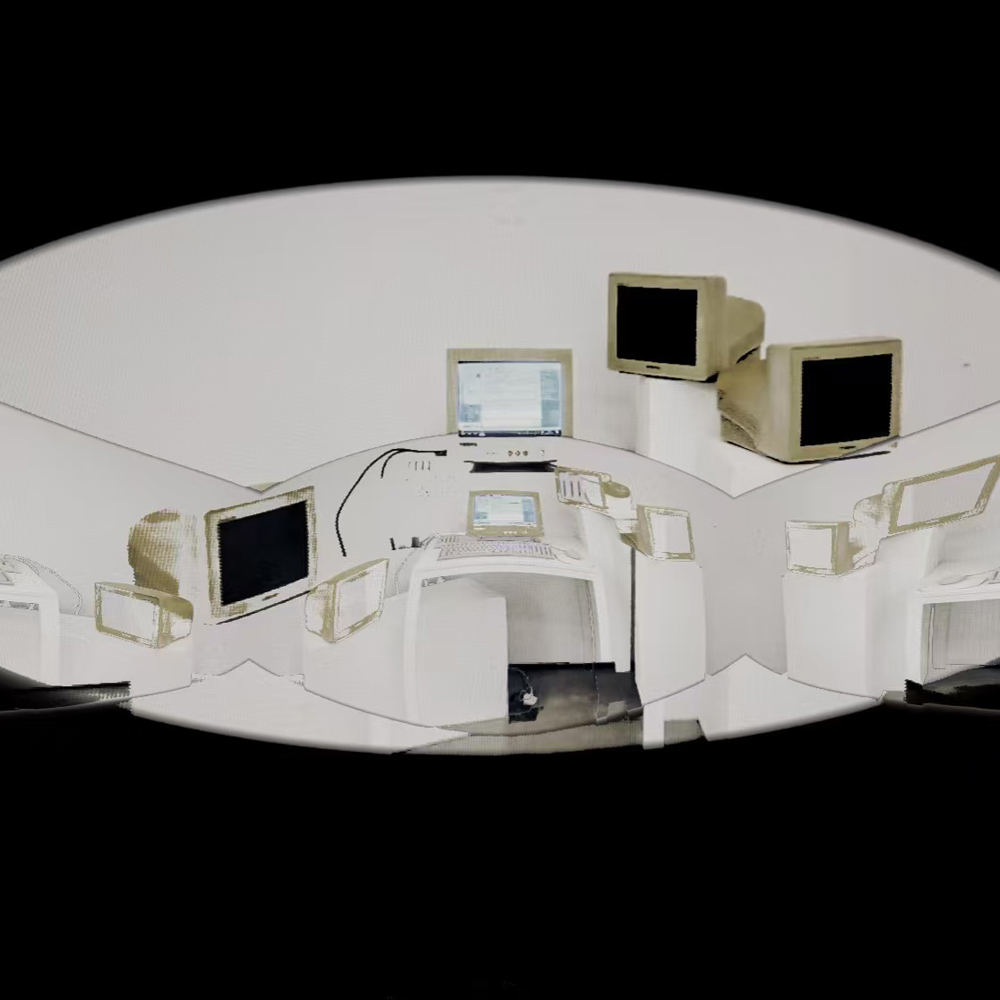
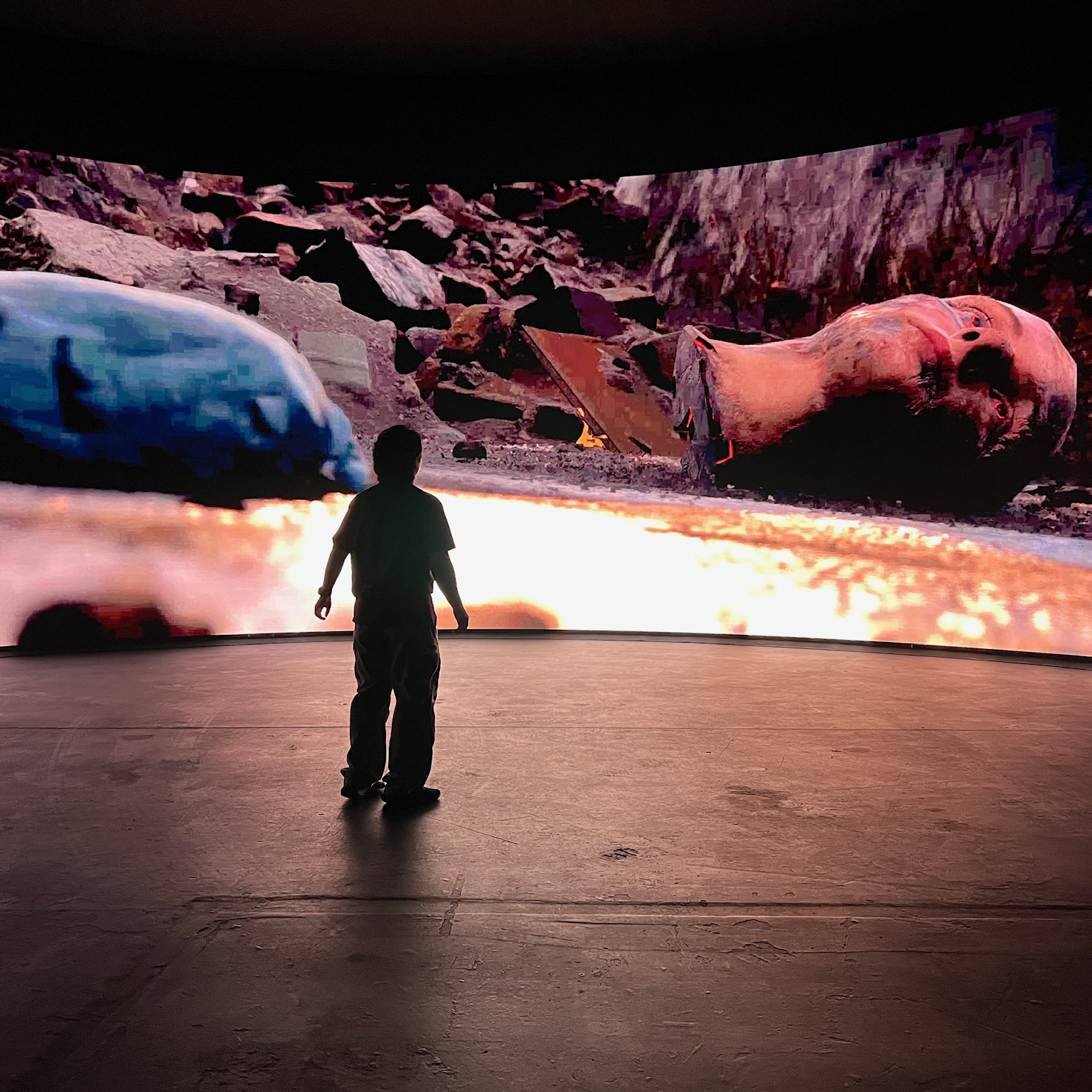
Digital cultural heritage extends beyond archived media to the ways people once communicated, expressed themselves, and formed social connections online. Yet these intangible experiences are gradually disappearing as digital platforms and communication practices evolve. RetroChat explores how generative AI can transform the preservation of digital heritage from passive observation into playful participation. By reconstructing Chinese online conversational styles from 2000–2010 within a retro messaging interface, RetroChat invites participants to interact with and re-experience an earlier era of internet culture. We observed how these interactions evoked nostalgia, personal memories, and adaptations of historical online expressions. The project demonstrates how playful, AI-mediated experiences can support cultural remembrance and suggests new possibilities for preserving intangible digital heritage through interaction rather than static documentation.
The Body in Play
– Wei Cai

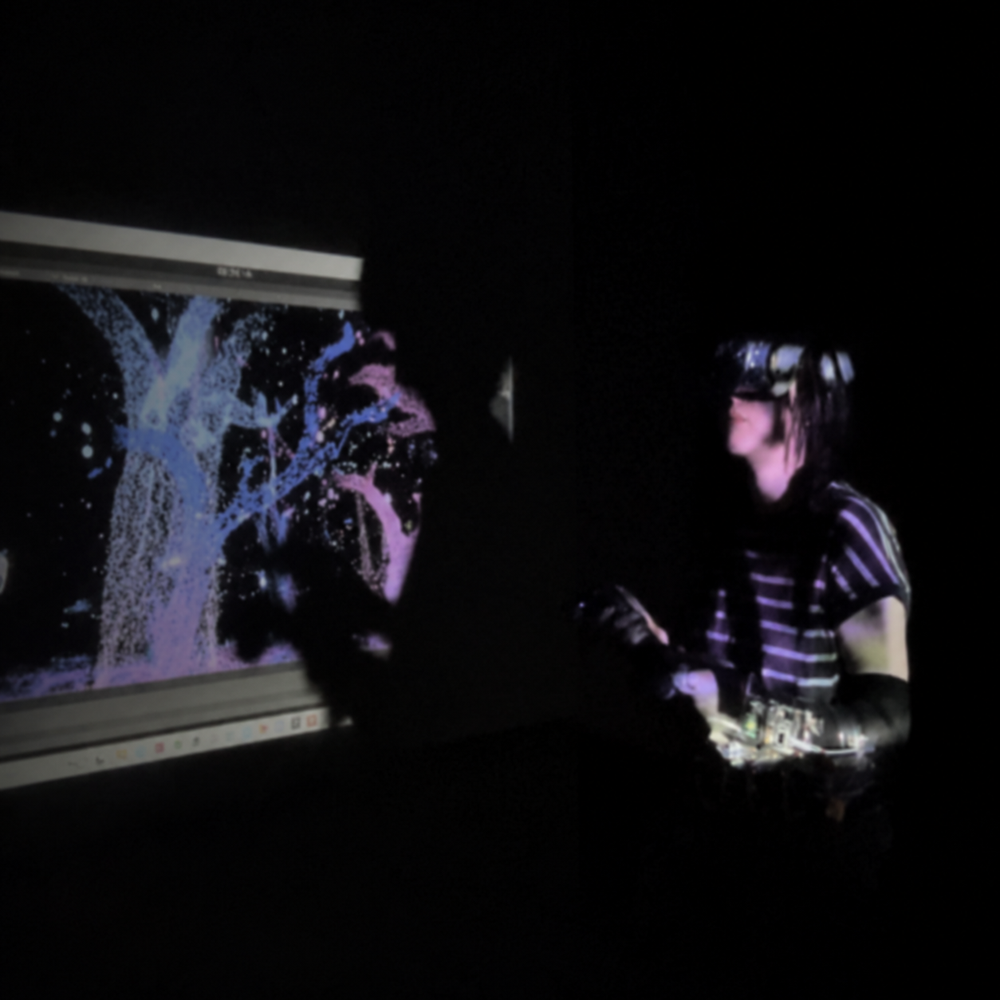
The Body in Play brings together two projects that explore the body’s role in interactive experiences. Eco Alert combines virtual reality with wearable physical feedback, inviting players to experience air pollution from a plant’s perspective. Through visual and bodily sensations, it explores how environmental harm can become more tangible. Hear Your Sound reimagines the body as a collection of musical instruments through five body-instrument designs and accompanying movement-to-sound experiments. I will share the design thinking behind both projects, exploring how bodily sensation and movement can shape environmental engagement and musical expression.
The Guinea Pig Eligibility Test: Playing the System

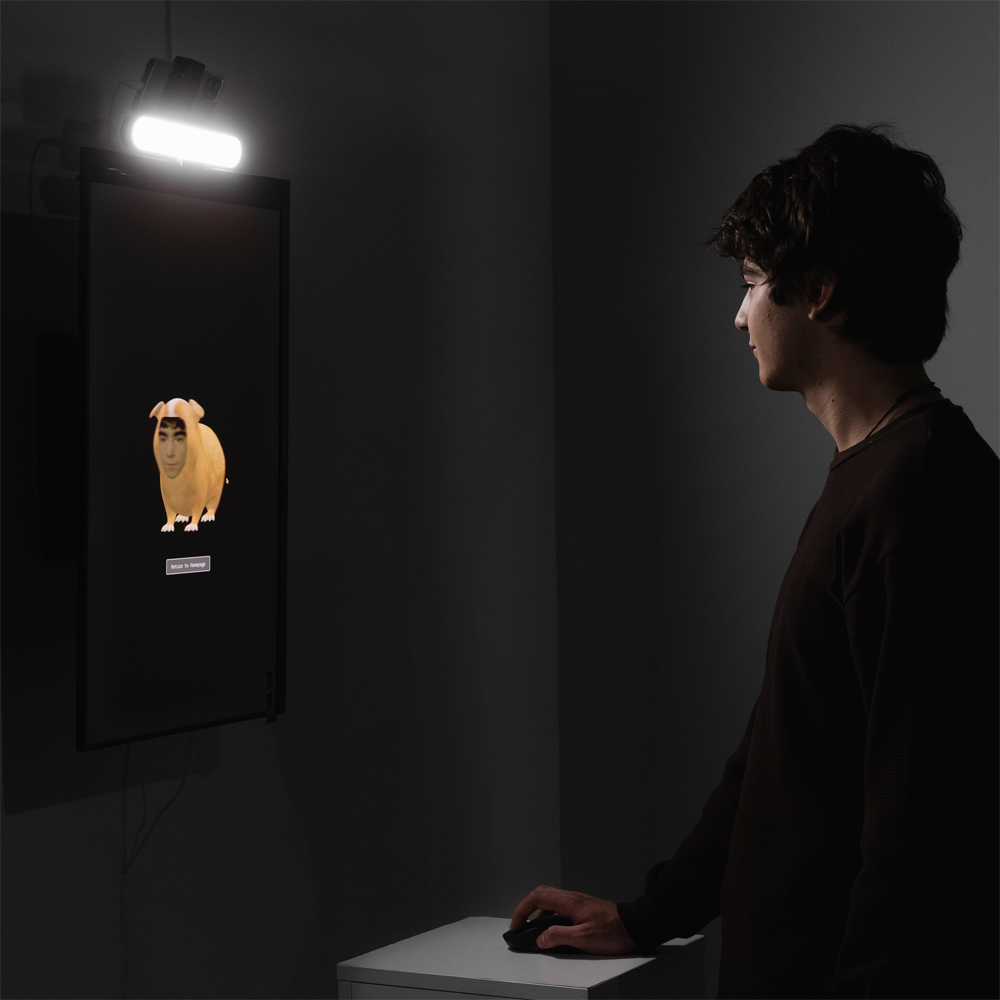
The Guinea Pig Eligibility Test is an installation that stages a fictional clinical-trial screening through playful interaction. Participants encounter a clinical-style consent form before answering questions about their health, socioeconomic status, access to resources, and social position. The screening appears routine, but its reward structure is concealed and inverted relative to conventional screening: instead of favoring stability, the system favors vulnerability, making those who appear vulnerable more likely to transform into human-guinea pig hybrids. As participants progress, they uncover this inverted logic; those initially deemed too privileged may take the assessment again, changing responses to become eligible. Eligible participants are transformed through facial capture into hybrids that join a growing, seemingly benign digital farm. By literalizing the term “guinea pig,” the work exposes unstable boundaries between person, animal, data subject, and experimental material.

RAY LC’s practice investigates how humans adapt to novel interaction environments in creative expression with AI and machines. He takes perspectives from his own research in neuroscience (Nature Communications) and in HCI (CHI, CSCW, HRI, DIS) in his artistic practice, with notable exhibitions at New York Hall of Science, KYOTO Design Lab, Ars Electronica Linz, NeurIPS, CVPR, Osage Gallery, Videotage, Goethe Institute, Hong Kong Arts Centre, PMQ, Taikwun, Science Gallery MSU, National Asia Culture Center Gwangju, ISEA, IEEE VISAP, SIGGRAPH Asia. RAY has a PhD in Neuroscience from UCLA, and an MFA from Parsons School of Design, currently teaching at City University of Hong Kong School of Creative Media. He has been awarded by Japan Society for the Promotion of Science, Microsoft Imagine Cup, Davis Peace Foundation, NY Foundation for the Arts, Hong Kong Arts Development Council, Hong Kong Research Grants Council. RAY founded the Studio for Narrative Spaces: https://recfro.github.io/.