
New York, USA Fri, Apr 24, 2026 at 4:00 pm EDT
Los Angeles, USA Fri, Apr 24, 2026 at 1:00 pm PDT
London, United Kingdom Fri, Apr 24, 2026 at 9:00 pm BST
Paris, France Fri, Apr 24, 2026 at 10:00 pm CEST
Hong Kong, Hong Kong Sat, Apr 25, 2026 at 4:00 am HKT
Contemporary filmmaking stands at a pivotal convergence: the urgent shift toward adopting generative AI as a core creative tool, the unavoidable reckoning with ethical and traditional norms surrounding AI-generated media, and the rapidly accelerating pace of AI research and development.
As generative AI for video evolve rapidly its capabilities to deliver realistic content, the film and TV industry is showing signs of broadly adapting the technology in production workflows — from pre-visualization to post-production. Major Hollywood studios are reportedly incorporating AI generated visuals in their latest feature or series releases. Independent filmmakers and production houses focused entirely on AI generated media are burgeoning across the field as well. While diffusion-model based AI economizes media production and further democratizes it, there are still many well-known usability constraints to address — like, insufficient controls for visual compositionality; inconsistency with characters and environments in long camera shots; invariableness of reused objects over different scenes; and, inherency to casual physics properties.
As such, creatives are forced to alter their workflows or find workarounds. Time is compensated for the large proportion of bad shots generated; attention is misplaced on unsystematically hacking for optimal text-to-video prompts instead of on intuitively designing visual artistic directions; and editing is unnaturally imposed to deftly stitch together or conceal incoherently generated frames. Recent innovations on artificial neural network architecture, diffusion model fine-tuning, and compositional design framework — such as ControlNet, LoRA and ComfyUI, respectively — laid down foundational breakthroughs on not only consistent generation, but also design paradigms suitable for creating visuals — including: sketch-to-image, image-to-video, video-to-video, and stylistic transfers.
Concurrently, there are communities of filmmakers and acting talents who ostensibly oppose or raise concerns to employing AI in film and TV productions. At the onset, the industry has expressed the need to respect copyrights of training data in AI models. The 2023 SAG-AFTRA actors’ union strike resulted with contractual provisions for AI replicated digital likeness. The Credo 23 Foundation, led by established creatives and film & TV icons, dismisses AI usage for the sake of preserving traditional filmmaking as a humanistic art form.
In this SPARKS session, we invite creatives & storytellers involved with any facets of filmmaking (filmmakers, producers, cinematographers, editors, VFX artists, animators, colorists, sound supervisors, etc.), AI researchers & engineers, and new media ethicists & scholars, to present on topics including but not limited to:
- Techniques to work around constraints in generative AI;
- Crafting effective prompts; • Emerging AI-centric production workflows and design tools;
- Previsualization and post-production;
- Virtual production, relighting, VFX;
- Style and aesthetics transfers;
- Extensions to multimodal generative AI for multimedia;
- Current limits of generative AI;
- Future of diffusion model research;
- Scaling the AI stack for generating multimedia content;
- Ethics and copyrights.
The Confluent Pipeline: Augmenting Virtual Production through Generative AI
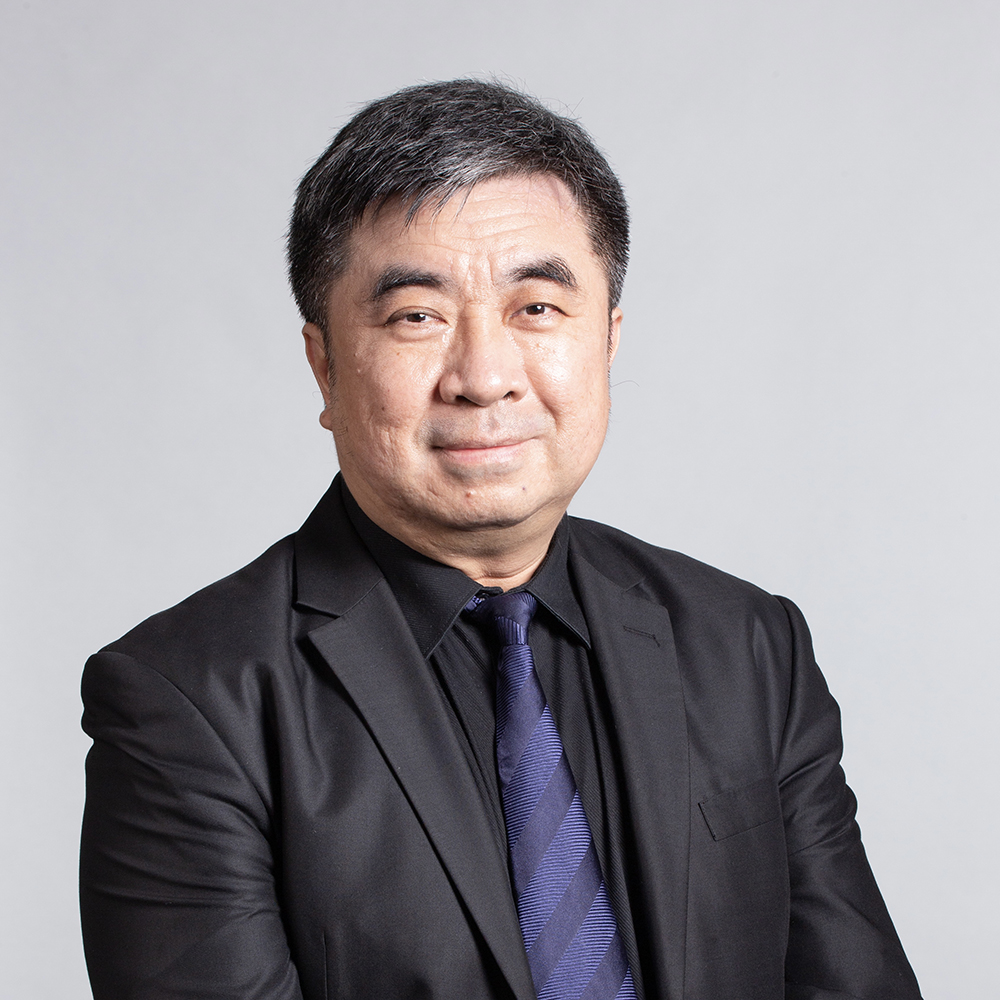
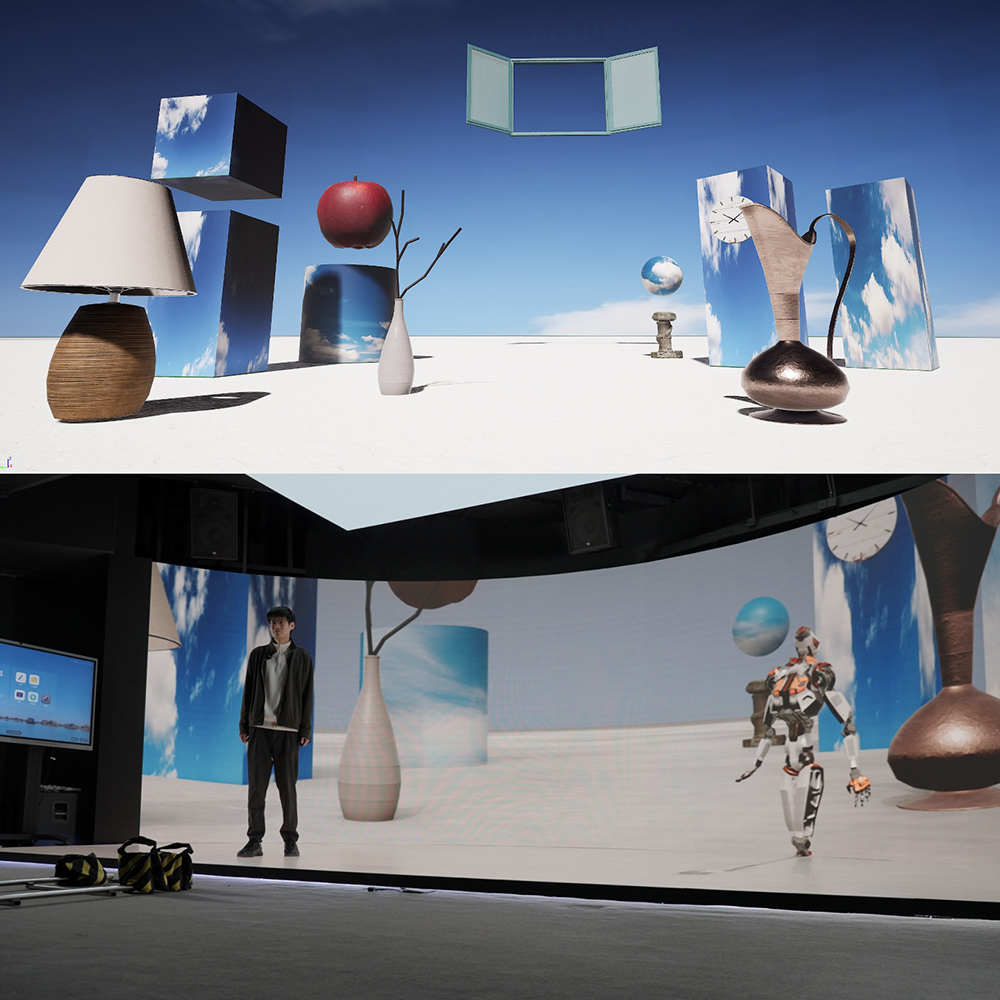
Building on our expertise in cinematic storytelling, we elucidate how generative AI redefines modern production workflows through three distinct case studies. Utilizing an integrated pipeline of LED stages, real-time game engines, motion capture, and AIGC, we dynamically reinterpret the works of surrealist masters Joan Miró, Paul Klee, Wassily Kandinsky, and René Magritte. Expanding upon emerging design tools, we analyze an AI-driven guidance system leveraging large language models to construct interactive narrative scaffolding. Concurrently, we present a film project merging AI-generated animation with virtual production techniques for immersive cultural heritage reconstruction. Collectively, these interdisciplinary practices demonstrate how advanced digital frameworks forge novel dialogues with canonical art, optimize narrative structuring, and profoundly advance AI-assisted filmmaking.
Achieving Pure Cinema by Co-Creating with Gen-AI
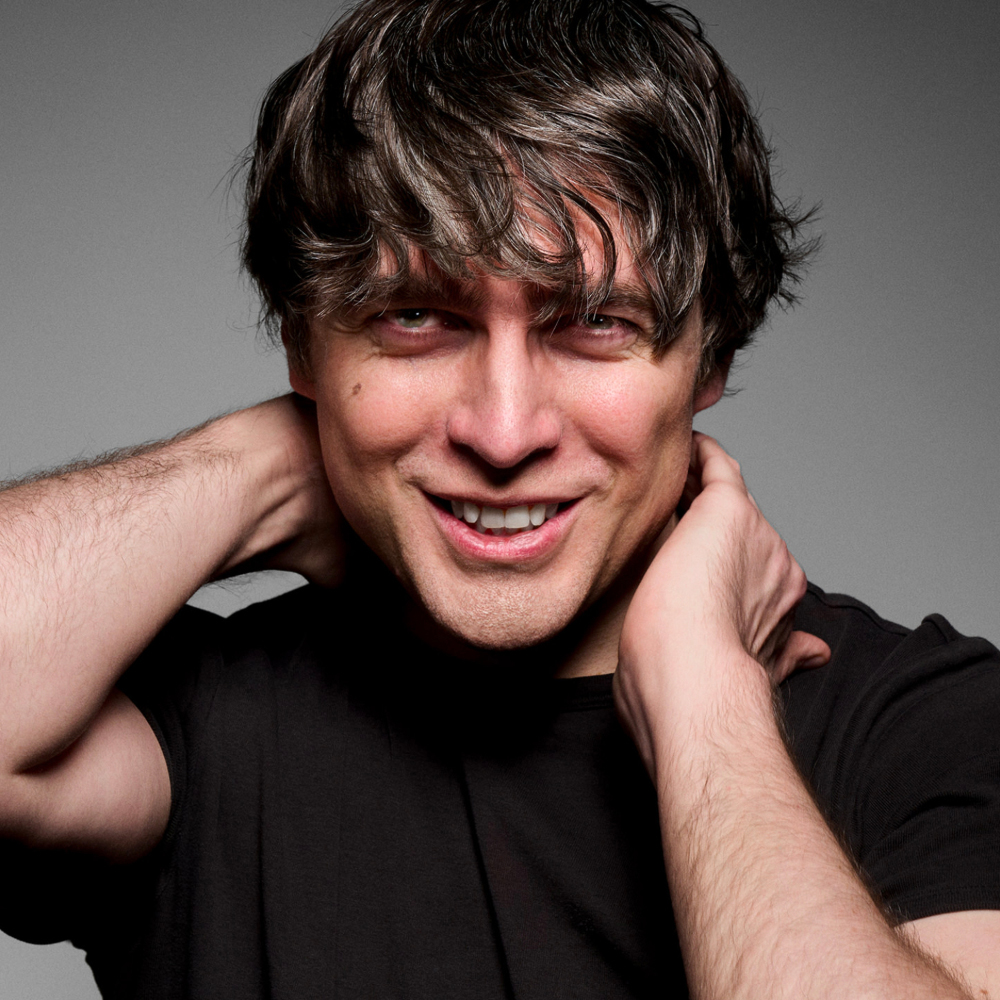
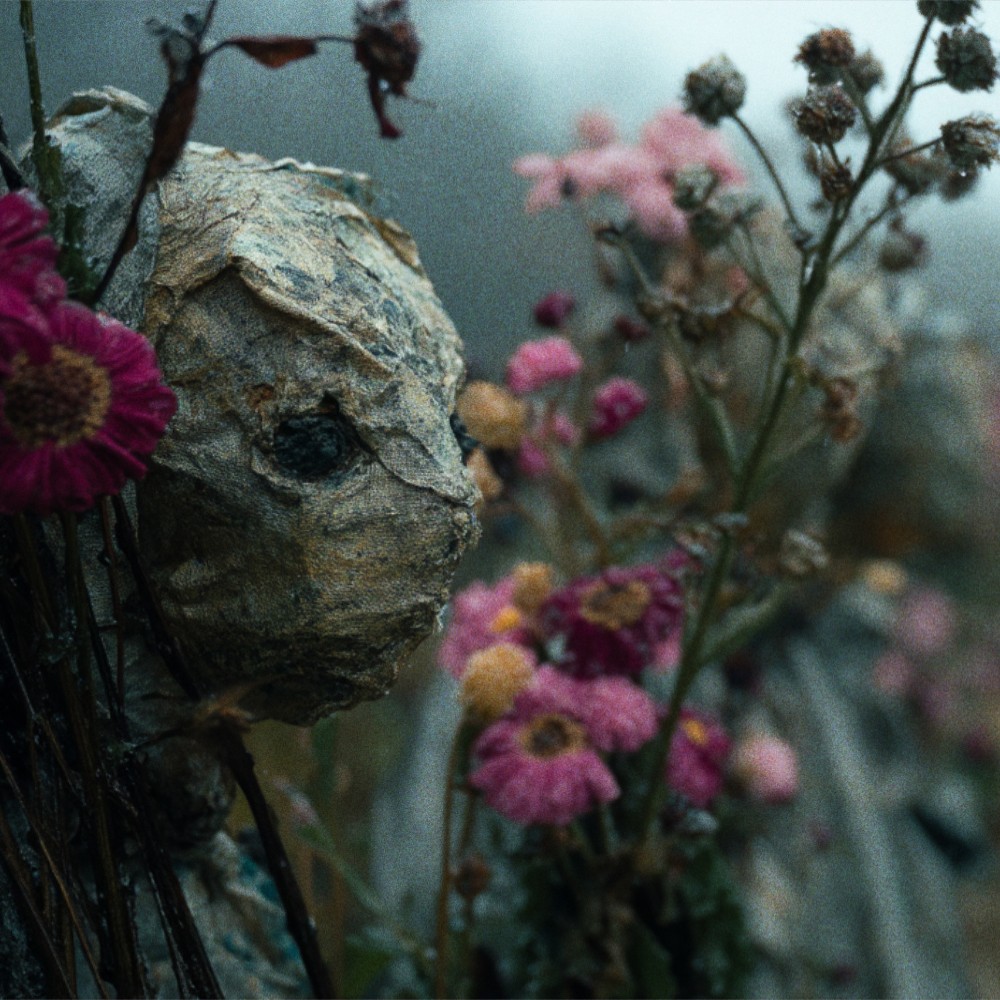
I’ll discuss my creative process and how I employ generative AI tools in making AI films via a “AI Co-Creation” workflow. I’ll share my ideas behind it as an alternative path towards beautiful cinematic shots — by giving the AI enough space to be part of the creation process.
At the heart is my mission in the pursuit of Pure Cinema: storytelling distilled to movement, rhythm, and emotion; liberated from traditional production limits; and ultimately attaining a filmmaker’s intent, eye, and taste.
The Producer’s Playbook: Integrating Generative AI Across Film Production

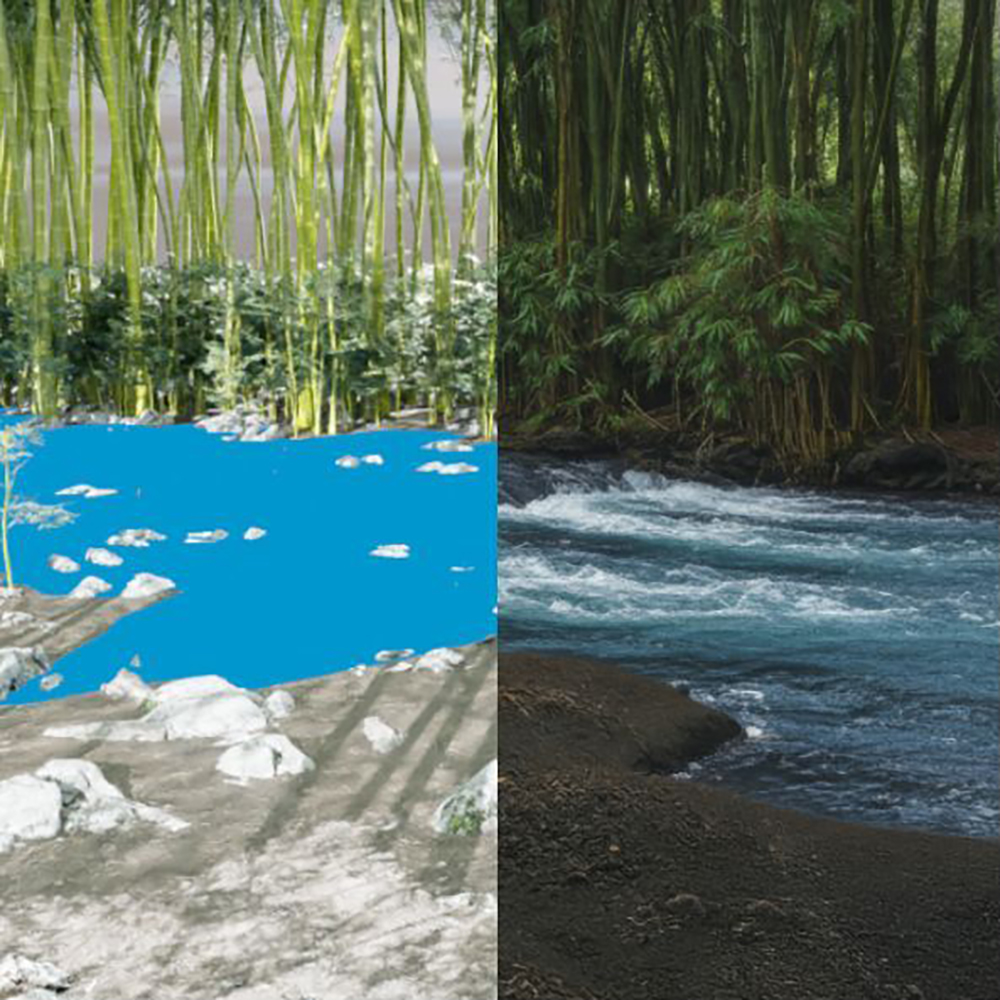
Generative AI is reshaping how films are developed, scheduled, and delivered. This session offers a ground-level producer’s perspective on where AI tools are genuinely transforming production workflows from development through delivery. Moving past the hype, the talk addresses real trade-offs between cost, creative control, and crew impact, giving attendees a practical framework for evaluating generative AI in their own pipelines.
The New Soundstage: How AI Voice is Reshaping Filmmaking
Join ElevenLabs for an exclusive dive into the future of cinematic sound. In this session, we will explore how artificial intelligence is revolutionizing the way filmmakers approach audio, turning complex post-production hurdles into seamless creative opportunities.
From hyper-realistic voice generation and effortless ADR (Automated Dialogue Replacement) to generative sound effects and emotionally nuanced global dubbing, AI audio tools are empowering creators to push boundaries while saving critical time and resources. ElevenLabs will showcase real-world case studies, demonstrate their latest groundbreaking technologies, and discuss the collaborative intersection of human artistry and AI.
Whether you’re an indie director, a seasoned sound designer, or a tech enthusiast, you’ll discover how AI is democratizing high-quality audio and redefining the storytelling landscape.
Controllable and Expressive Generative Modeling for Sound Design in Filmmaking
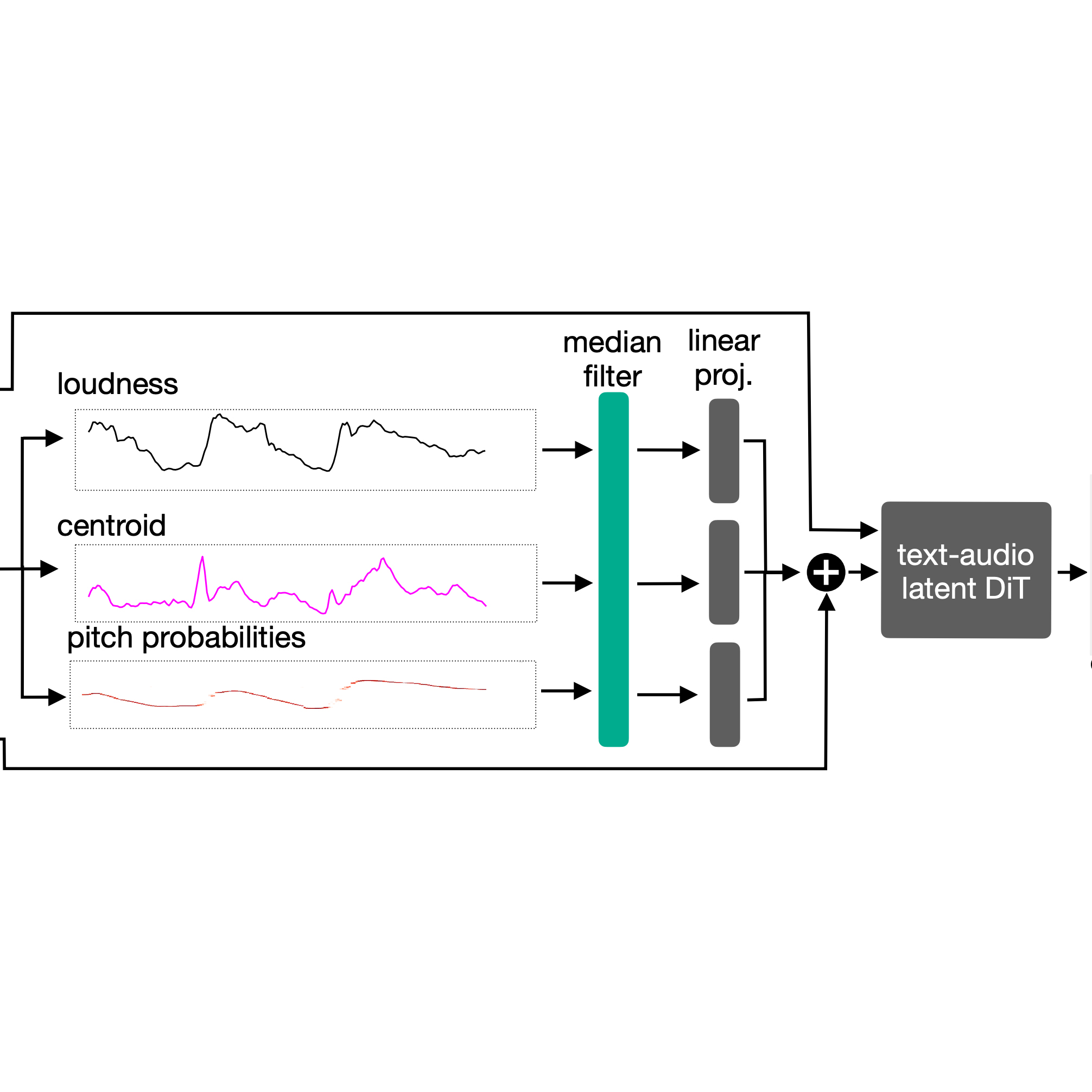
AI audio models have the potential to become powerful tools for sound design, yet existing systems lack both the fine-grained controllability of traditional audio workflows and the nuance afforded by direct, embodied manipulation of sound objects. Rather than replacing these practices, there is a need for artist-centered systems that foreground the expressive and performative nature of sound design. I will discuss research from the Adobe Sound Design AI (SODA) team that enables sound designers and Foley artists to create rich sonic compositions through “human” performative gestures while still leveraging the sonic richness of large text-to-audio models. In particular, I will present Sketch2Sound, a controllable audio generation method that uses vocal imitations to guide the temporal morphology of generated sounds. I will also discuss an expressive approach to sound morphing built on text-to-audio diffusion models, which supports continuous morphing between two sonic materials.
AI as a Visual Tool: New Possibilities for Independent Filmmakers
– Xi Wang
– Xiaotong Wen
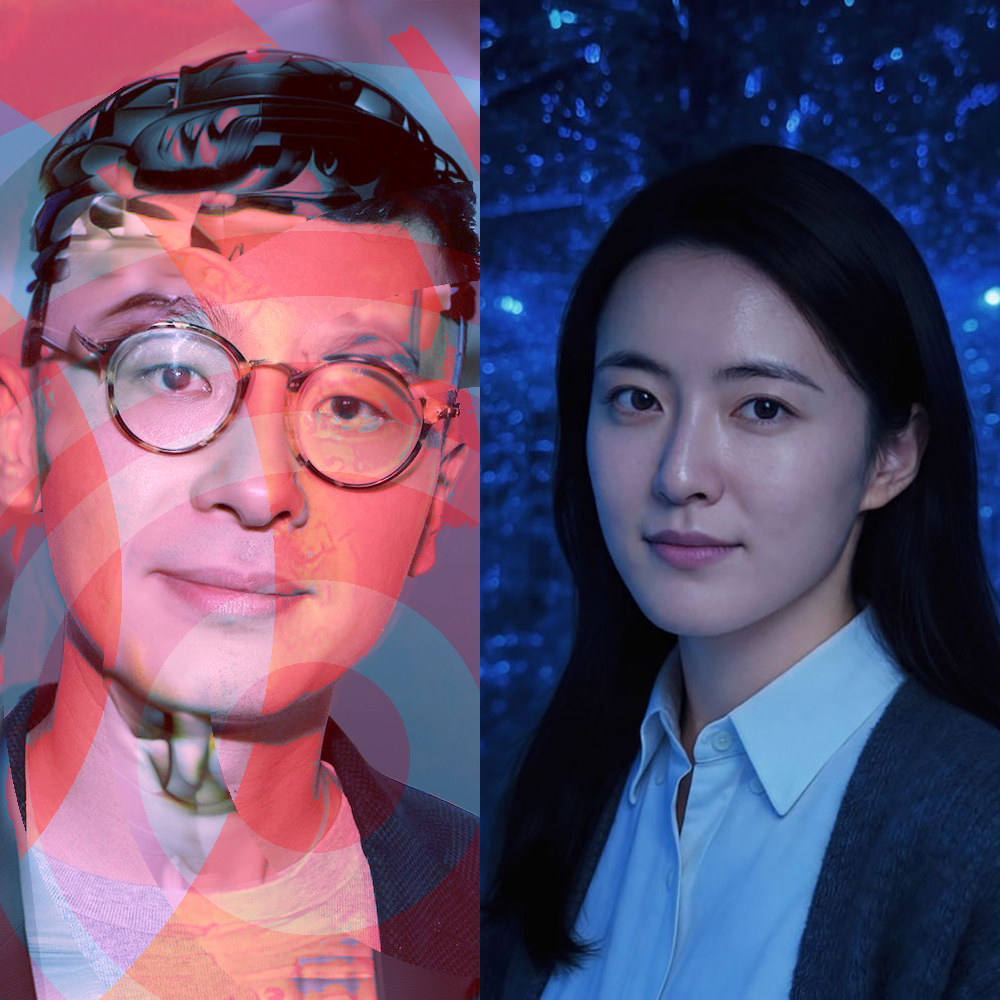
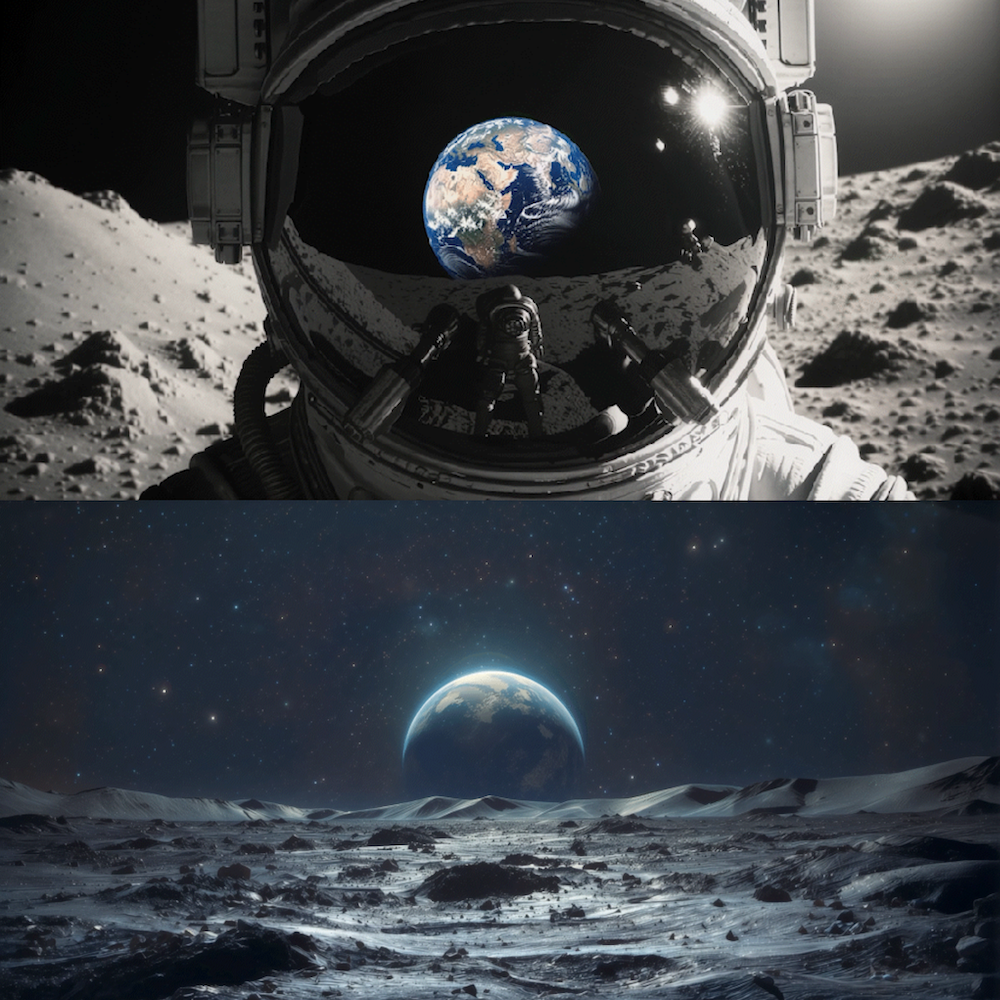
This talk explores how generative AI is transforming independent filmmaking as a new visualization tool. Drawing from real projects including a short film, an animated documentary, and experimental work in fashion and branded content, it examines how AI can support concept design, visual development, story exploration, and rapid iteration. The session focuses on the practical value of these tools for testing ideas, building images quickly, and expanding what small teams and independent artists can produce. By sharing both the strengths and current limitations of these workflows, the talk offers a grounded perspective on how generative AI is opening new possibilities for visual storytelling and production.
Beyond Prompts: AI as an Artistic Multiplier
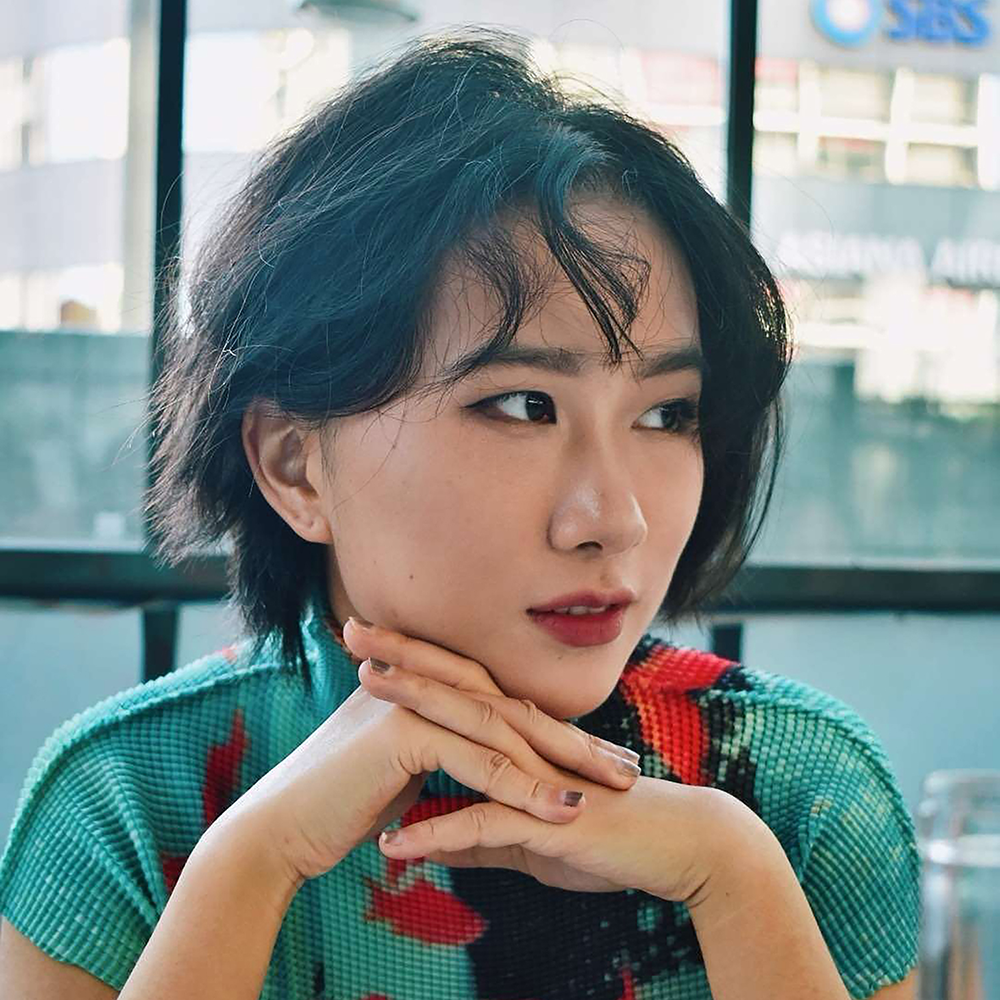
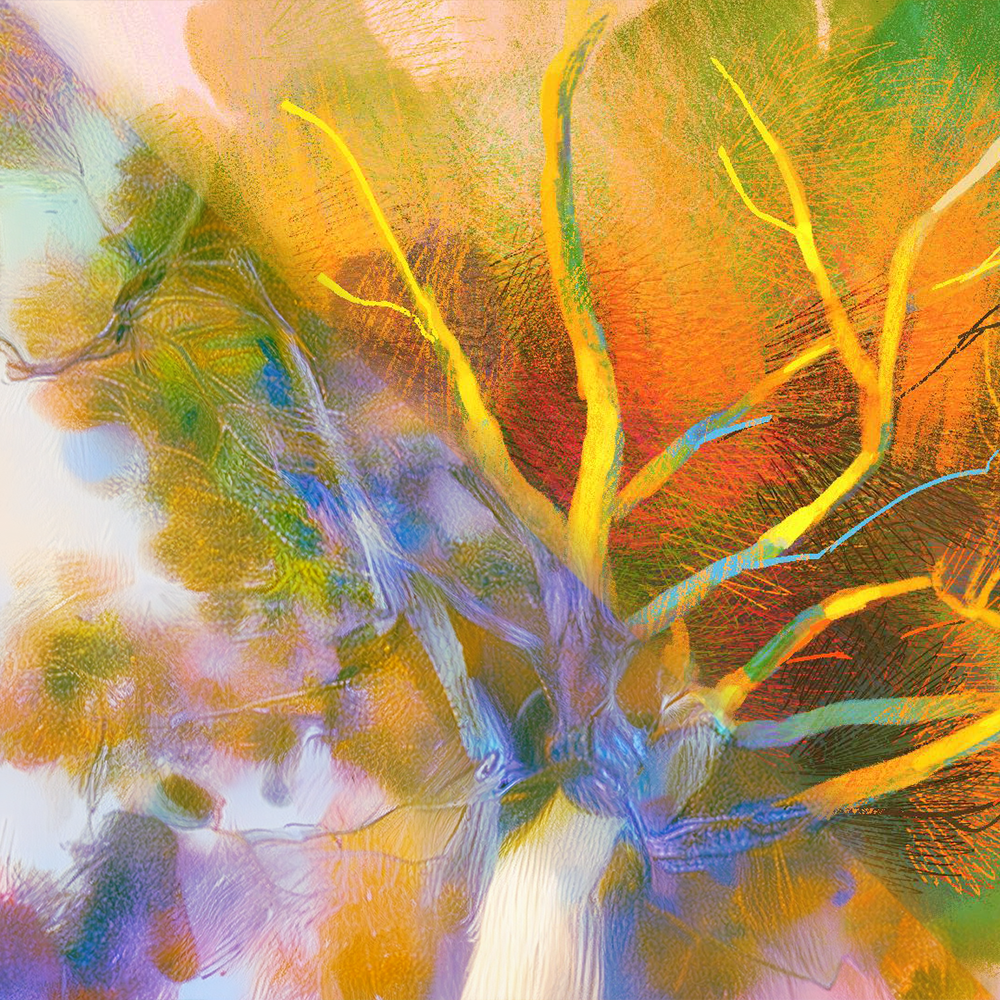
In an era of automated content, how can generative AI be harnessed to amplify, rather than replace, an artist’s unique voice? This presentation explores the organic synthesis of human craft and AI generation through the lens of the 2025 Student Academy Award-winning film, The Song of Drifters. Attendees will discover how independent creators can leverage AI to achieve studio-scale production while maintaining their aesthetics, proving that the future of AI filmmaking is not about the loss of human value, but about liberating creativity.
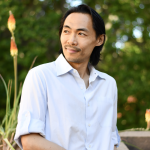
Douglas S. Chan — a.k.a. Sal Ardongdé — is a tech entrepreneur and researcher who is also an award-winning filmmaker. He received from Cornell University his Ph.D. degree in electrical and computer engineering with minor in computer science (CS) and M.Eng. degree in electrical engineering (EE), and B.Sc. degree in EE from Queen’s University.
Doug has research interests and a career in multiple tech fields, including wireless communications and machine-learning (ML) based AI. He has founded two tech companies, respectively, in ML for financial analytics and Wi-Fi networks. Prior to that, he held engineering positions at Cisco Systems and IBM and had a post-doc appointment at UC Berkeley Dept. of EECS.
As Sal Ardongdé, he received his M.F.A. degree from Loyola Marymount University in film & TV production (specializing on film directing). His films have been screened at international film festivals, including of Oscar-qualifying.
Doug / Sal’s current research is on generative AI for multimedia content and new media with technologies.
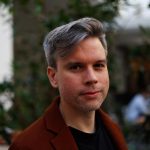
Paul Trillo is an Emmy award winning director and video artist known for his innovative approach to blending conceptual storytelling with cutting-edge technology. His work spans a wide range of genres and formats, consistently pushing the limits of visual creativity. Whether he’s crafting intricate in-camera illusions, building the world’s first mobile bullet-time rig with smartphones, choreographing drone-based aerial smoke shows, directing on the massive canvas of the Sphere, or pioneering generative AI visuals at the Louvre, Trillo’s work is marked by a relentless curiosity and technical inventiveness. This diverse body of work has garnered him 21 Vimeo Staff Picks, international film festival recognition, and features in a wide range of media outlets, including The New York Times, The New Yorker, Forbes, Rolling Stone, Vice, The Atlantic, The LA Times, GQ, and more. Paul remains committed to continuous innovation with his studio Asteria Films, a technology led production company ushering in an ethical approach AI to the film industry.