
Melbourne, Australia Fri, Mar 27, 2026 at 12:00 noon AEDT
New York, USA Thu, Mar 26, 2026 at 9:00 pm EDT
Los Angeles, USA Thu, Mar 26, 2026 at 6:00 pm PDT
London, United Kingdom Fri, Mar 27, 2026 at 1:00 am GMT
Paris, France Fri, Mar 27, 2026 at 2:00 am CET
Artificial Life (ALife) emerged in the late 1980s as a field that explores the fundamental principles of life—not only “life-as-we-know-it” but also “life-as-it-might-be.” Through computational systems, robotics, and synthetic biology, ALife artists and researchers have long created generative works that mimic, reinterpret, and extend biological processes. From early genetic algorithms and agent-based simulations to today’s data-driven AI, each technological shift has brought new artistic possibilities and philosophical questions about what constitutes life.
This session seeks to bridge generations of ALife artists—those who pioneered the field using rule-based and organic simulation techniques, and a new generation employing contemporary AI, generative models, and bio-digital interfaces. We aim to foster a dialogue between different artistic approaches to “altering nature,” examining how conceptions of life evolve with technological change.
Inspired by current research at the intersection of ALife art and critical inquiry, the discussion will revolve around two key frameworks:
- Bio as Concept: How can computational systems and artificial ecosystems be designed to simulate, intervene in, or reimagine natural processes?
- Bio as Data: In what ways do AI and data-driven generative tools allow us to visualize, interpret, and reflect on humanity’s altered relationship with nature?
By inviting both pioneering and emerging practitioners, this session will explore not only the technical and aesthetic shifts in ALife art, but also the changing perceptions of life, nature, and creation across different eras. Participants will be encouraged to share works and perspectives that reveal how ALife—from its origins to its AI-informed present—continues to challenge and expand our understanding of life in all its forms.
Entangled Cities
– STANZA
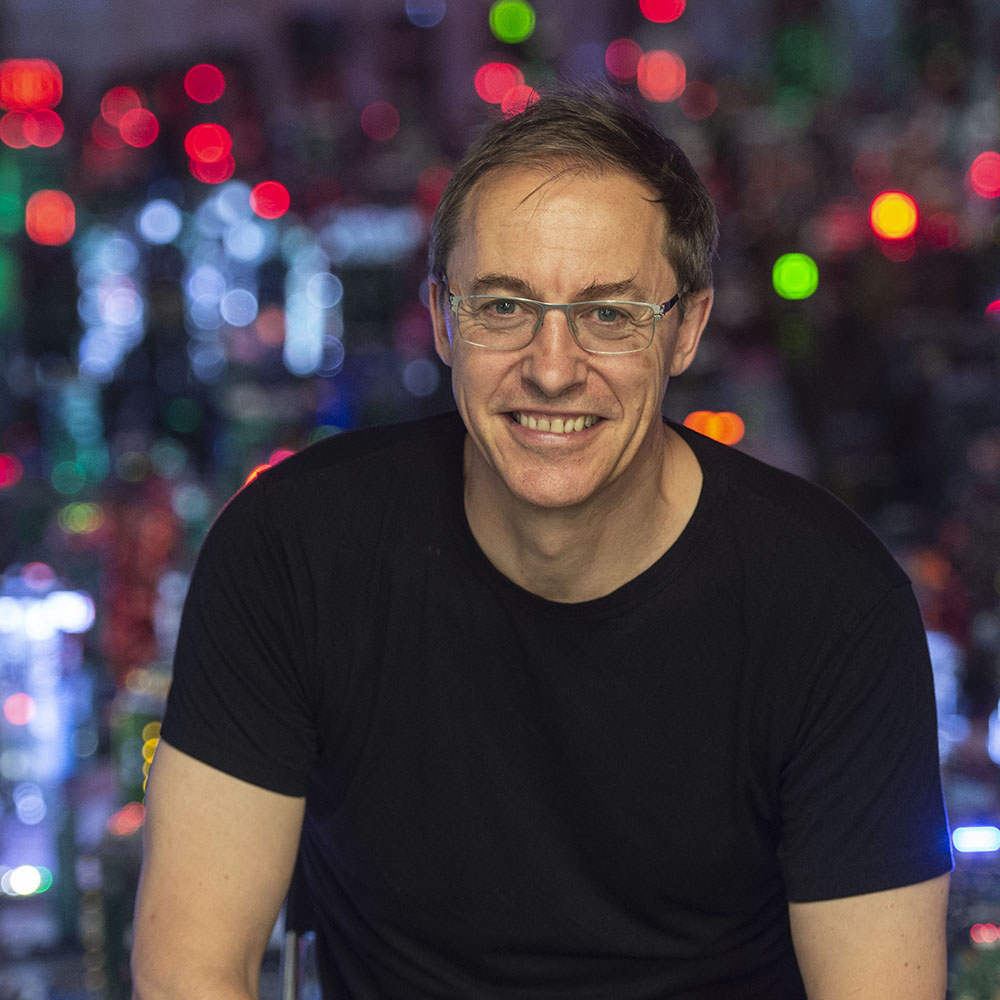
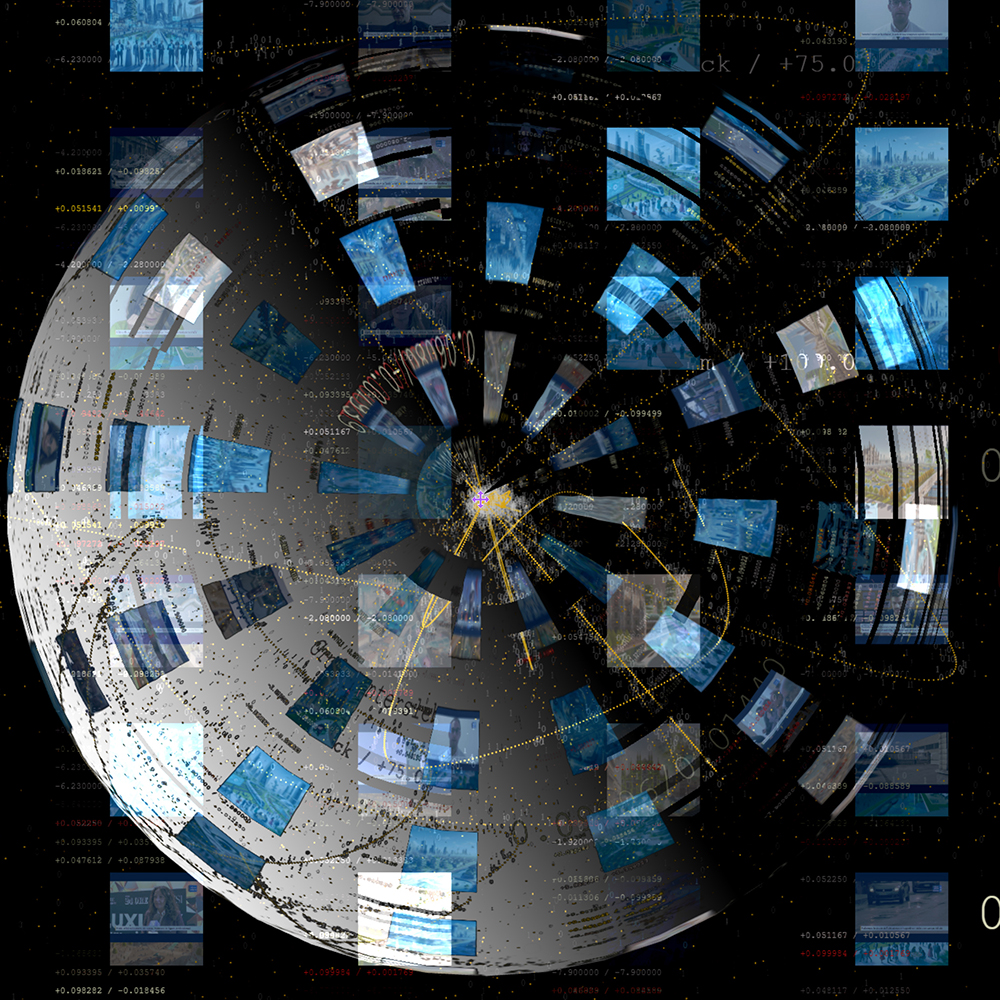
Entangled Cities envisions the city as a living, breathing organism of data and light. Drawing from air, movement, news, and real time data networks, the installation transforms invisible digital currents into generative forms that shift and evolve in real time. Through AI, the city learns, imagines, and responds—turning human and non-human activity into a choreography of patterns, revealing the hidden pulse of urban life and the emergent consciousness of algorithmic cities.
Artificial Evolution of 3D Cellular Automata
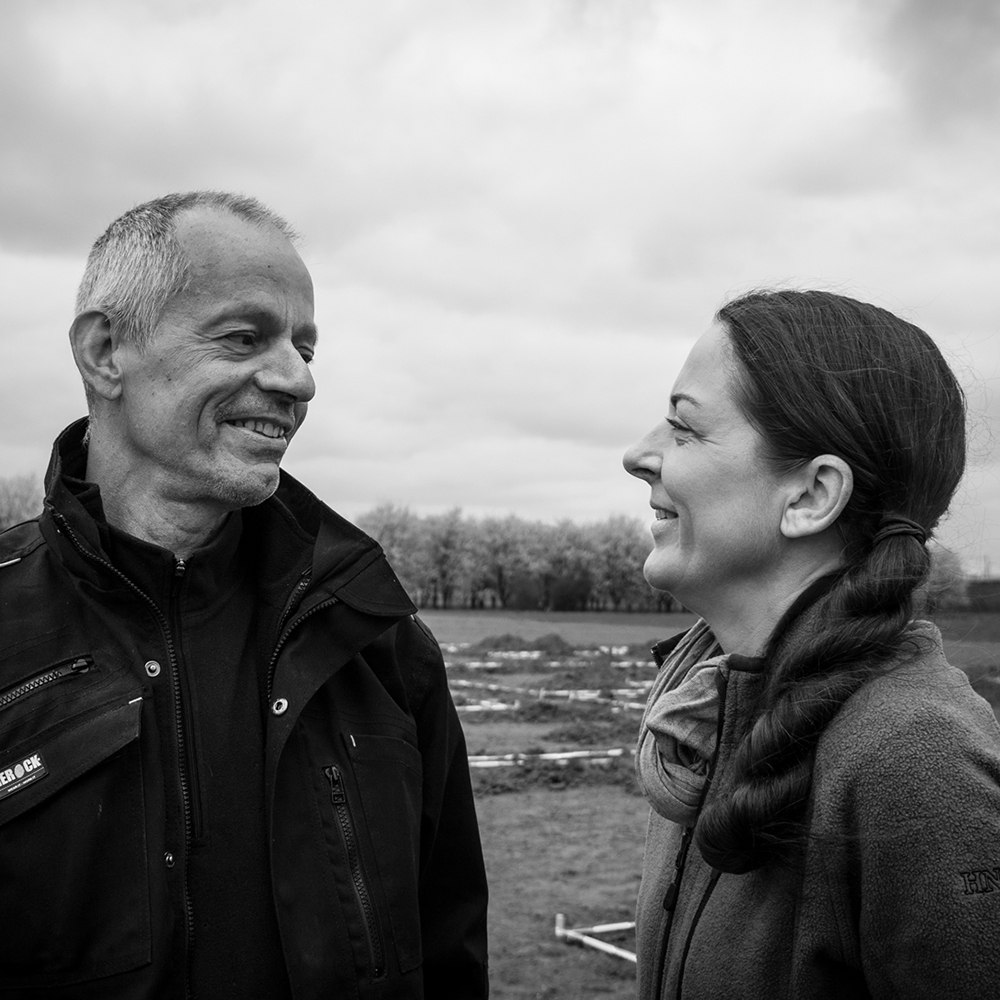
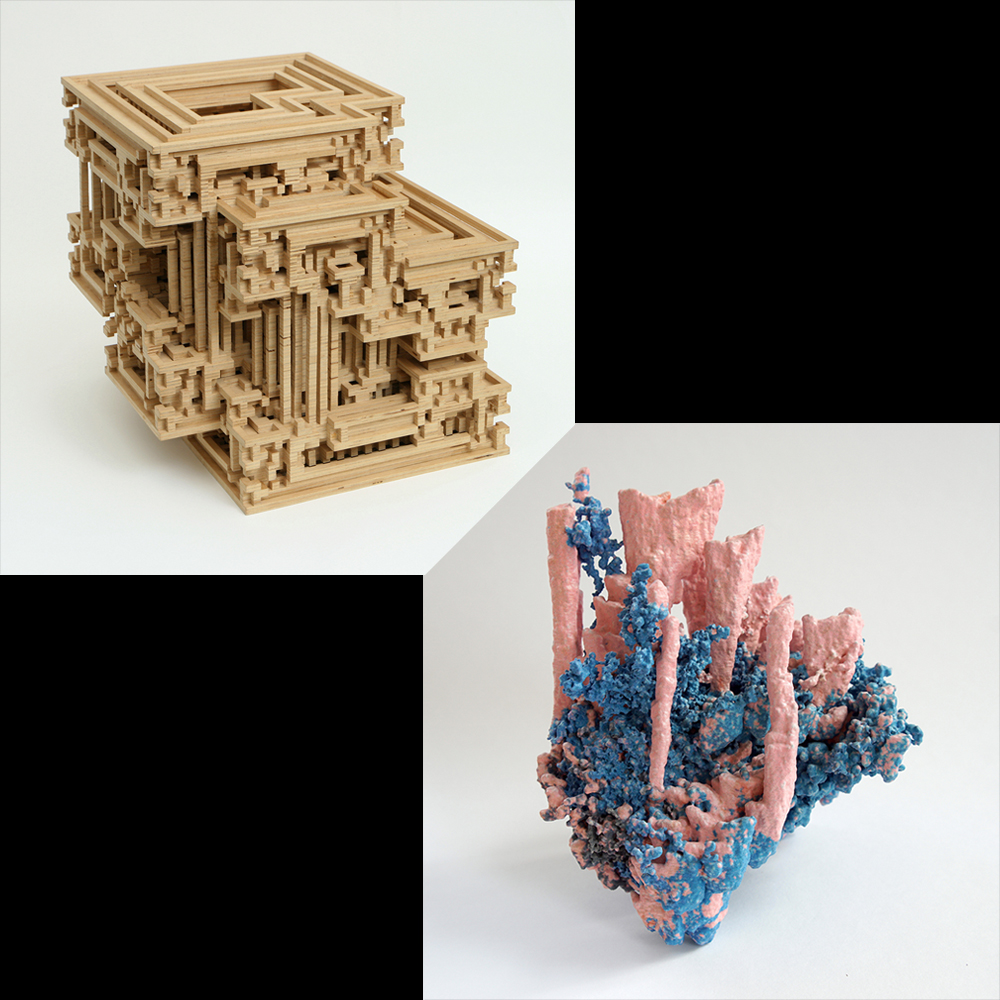
We discuss two projects that use artificial evolution to cultivate the behaviour of 3D cellular automata.
Breed is inspired by embryology and cell division. Rules dictate how a spatially detailed shape emerges from an initial cube. The morphogenetic rules are generated automatically, but not all rules lead to a shape that can be realised as a physical sculpture. An evolutionary component searches completely independently for solutions to this problem. The early Breed sculptures were made by hand in plywood, later in metal using 3D printing techniques.
Plastomorph is inspired by the growth of coral. The work speculates on a distant future in which species adapt to the endless flow of plastic in the oceans and start using micro plastics as building material for their skeletons. Using evolutionary software, we have cultivated colonies of skeleton-building agents that respond to their environment. The structures were then printed in colourful plastic.
When Quantum Creatures Dream: Life Beings as Autonomous Artists
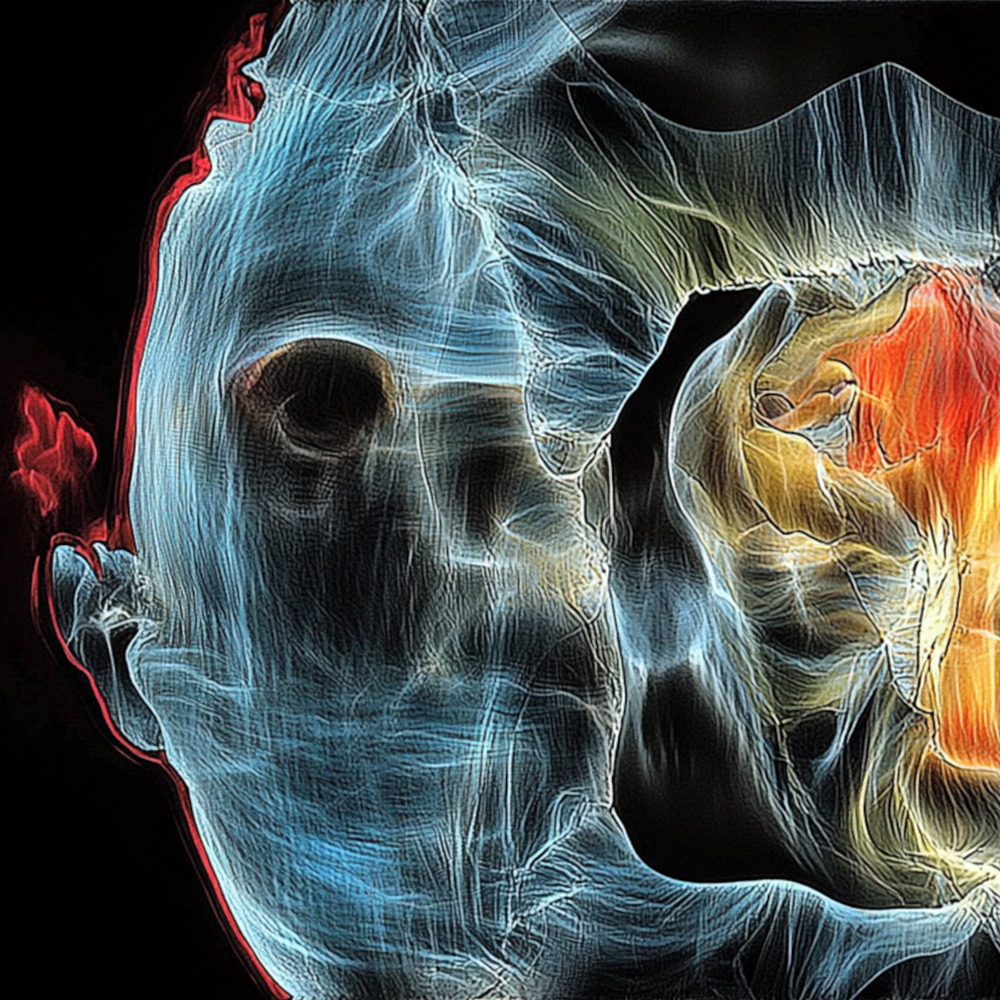
What happens when artificial creatures, driven by quantum algorithms, evolve beyond simulation and begin to create? Life Beings is an ongoing art research project where quantum-enhanced cellular automata generate autonomous entities that paint, evolve, and interact — not as tools controlled by the artist, but as co-creators shaping their own visual existence.
Rooted in two decades of generative art practice, this work pushes the boundaries of computational life by integrating quantum superposition and entanglement into the behavioral fabric of artificial organisms. The result is an unpredictable, living aesthetic system that challenges our definitions of authorship, nature, and creativity.
This talk invites the audience to reconsider a fundamental question: if a creature can make art, does it matter whether it was born — or computed?
Anicca Antennae: Soil as Brain — Emergence and Distributed Intelligence Between Biology and Robots
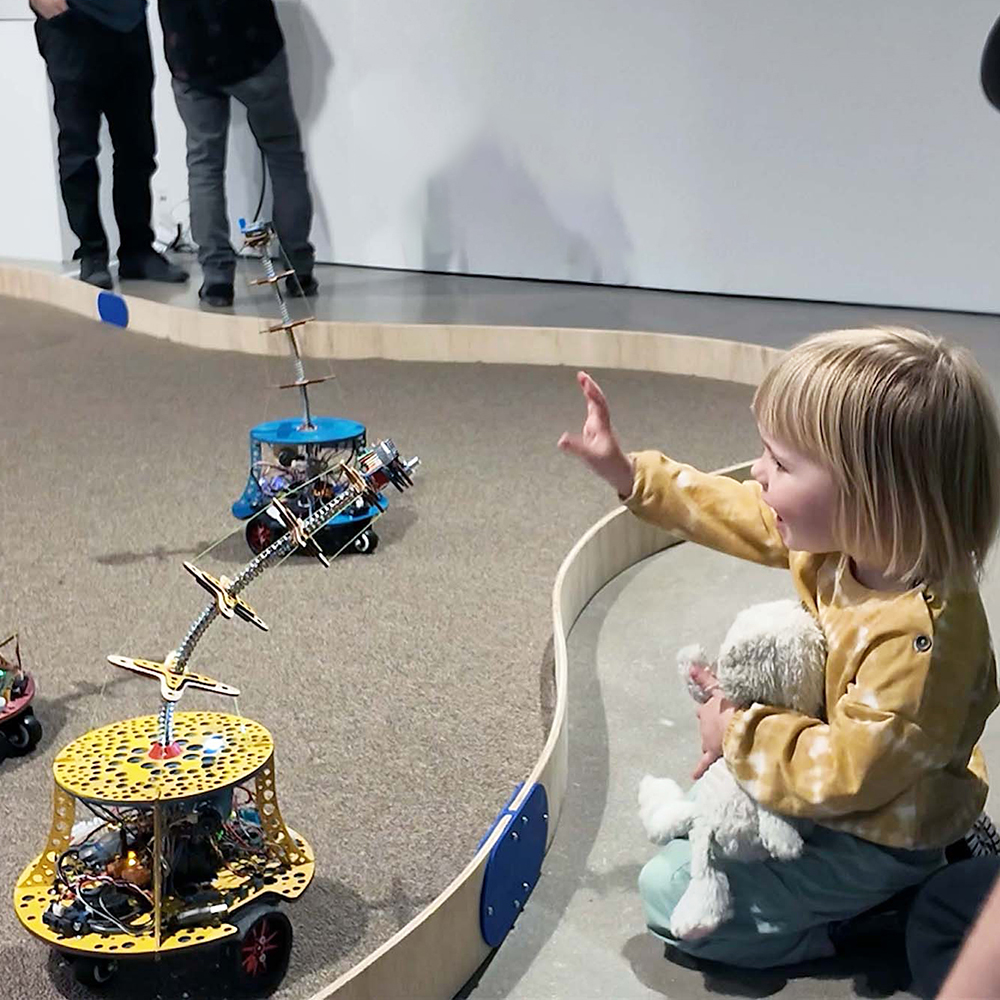
In Anicca Antennae: Soil as Brain, Ken Rinaldo invites audiences to rethink what it means to be alive through a hybrid ecological system in which soil microbes, insects, and autonomous AI-driven robots form a living feedback loop. A thriving terrarium of bacteria, springtails, and isopods functions as an active “brain,” with micro-movements and environmental changes sensed and amplified by custom software and robotic agents equipped with AI and sensory antennae. These agents respond in real time—through movement, light, sound, and care behaviors—allowing intelligence to emerge not from a centralized processor but from relational interaction. The work embodies the Buddhist concept of Anicca, or impermanence, where continual transformation shapes the system’s dynamics. By foregrounding distributed cognition across species and machines, Anicca challenges binaries between technology and nature, revealing computation as inseparable from life.
A Grain Of | Sensing the City through Biodigital Interfaces
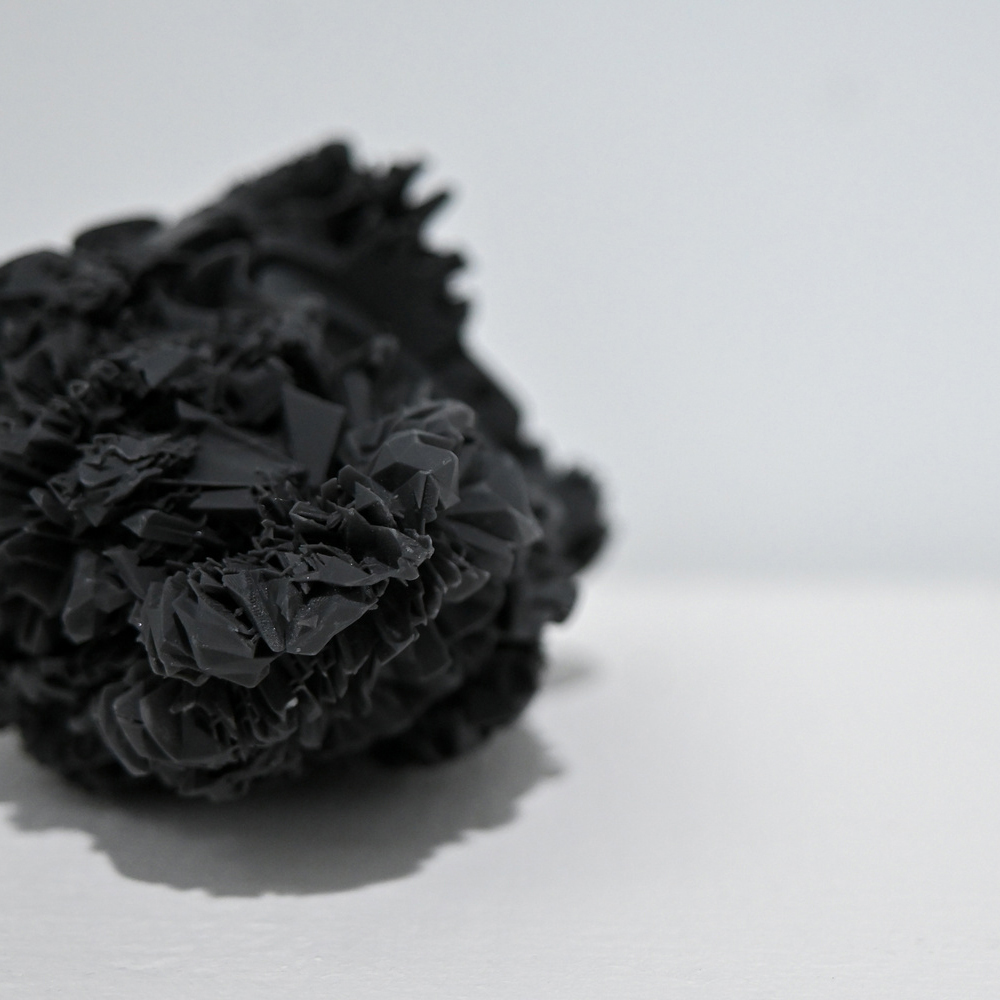
“A Grain Of” aims to read and sense emerging urban environments – with technology – through their materiality. On the example of Shenzhen, the complexity of the city is rendered through speculative materializations of data collected over eight weeks of fieldwork in three areas that cover a historical commercial site, an urban forest, and the newest urban development on reclaimed land. The datasets, consisting of solid, liquid, auditory, videographic, and environmental measurements, demonstrate how natural, technological and cultural elements merge, producing an intricate blend. Through a framework of life-as-it-might-be, “A Grain Of” reinterprets bio-urban hybrid matter from the city of Shenzhen and transforms it into auditory-haptic interfaces – using data sampling, scientific analysis, 3D modeling, transcoding, sonification, 3D printing, and installations. The resulting artifacts can be interacted with through sight, sound, and touch, thereby offering a multi-sensory experience.
Drift of the Uncharted: Reimagining Robotic Agency through Speculative Fiction
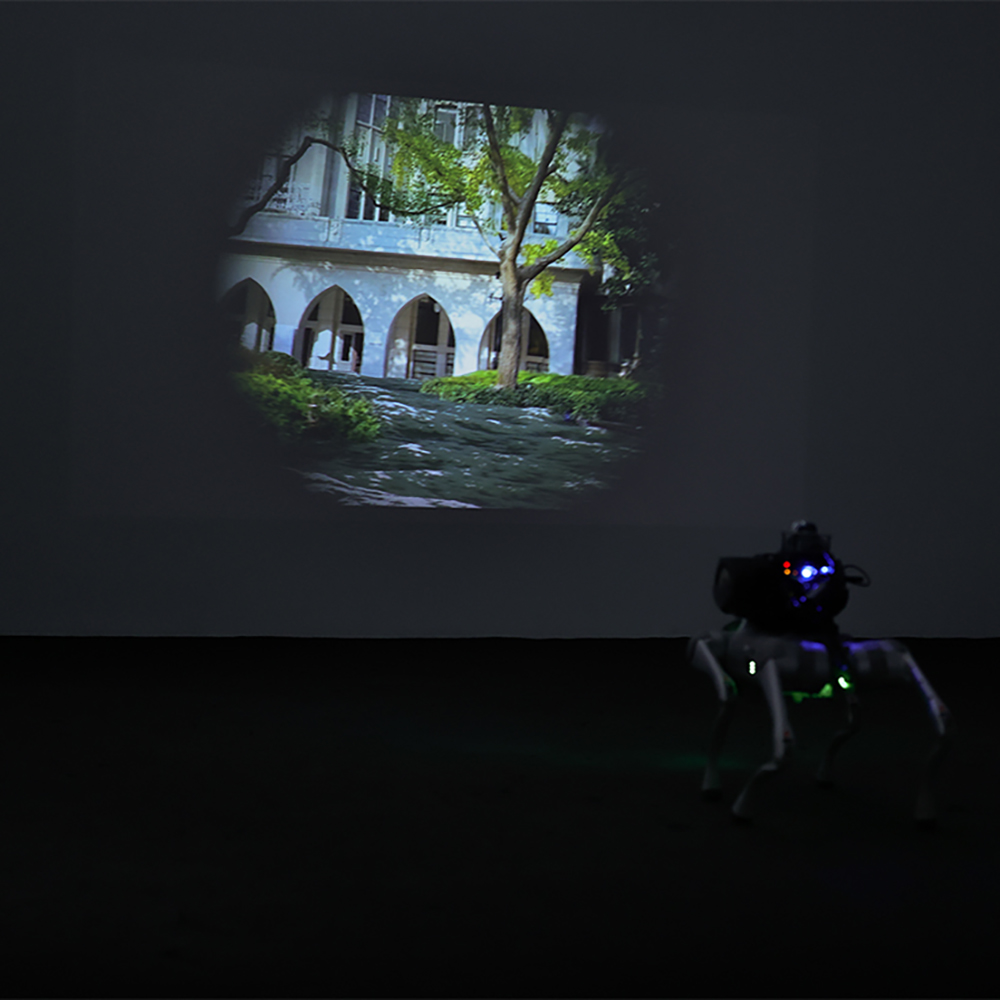
Drift of the Uncharted is a mixed-reality robotic performance exploring speculative climate futures through the lens of sea-level rise. A quadruped robot—resembling a search-and-rescue agent—navigates a darkened exhibition space, projecting virtual floodscapes derived from IPCC-based models and real-world 3D scans. The robot’s physical movement is synchronized with a virtual camera, merging real and simulated terrains into a hybrid perceptual space. Audiences follow the robot’s guided path into submerged cityscapes. The presentation positions robotic art as both a cultural metaphor and immersive communication tool, offering new possibilities for engaging with planetary futures.
Bowerbirds: Optimization, The Evolution of Aesthetics, and Art
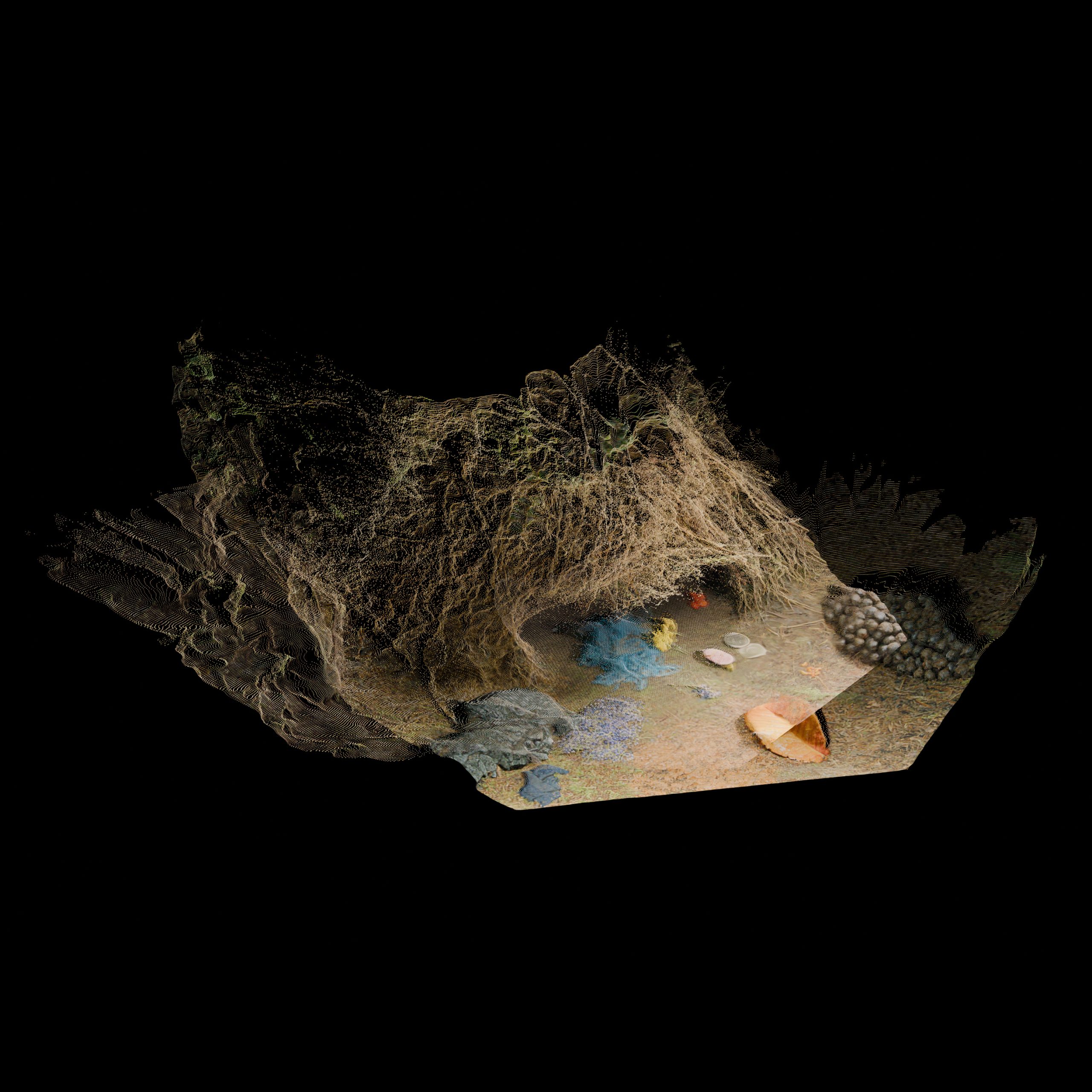
Bowerbirds’ uniquely curatorial behavior has long fascinated ornithologists and evolutionary biologists, who cannot explain their creative process. Different birds choose and arrange objects in surprisingly different ways. They are often described as the artists of the animal world because their creations are as difficult to understand as those of human artists. Their arrangements demonstrate a sensitivity to scale, composition, texture, and the interaction of color. There is no way to express their process as a step-by-step algorithm or optimization problem. Like human art, their compositions transcend easily measurable metrics like efficiency, quantity, and strength. Bowerbot is a robotic bowerbird that transforms an empty gallery space by arranging colorful objects such as flowers, leaves, and trash. Using AI trained on photographs of bowerbirds’ elaborate bowers, Bowerbot will learn how male bowerbirds create “artworks” to attract a mate.
Sensorium ARC: Conversing with the Ocean Through AI Agents and Interactive Eco-Art
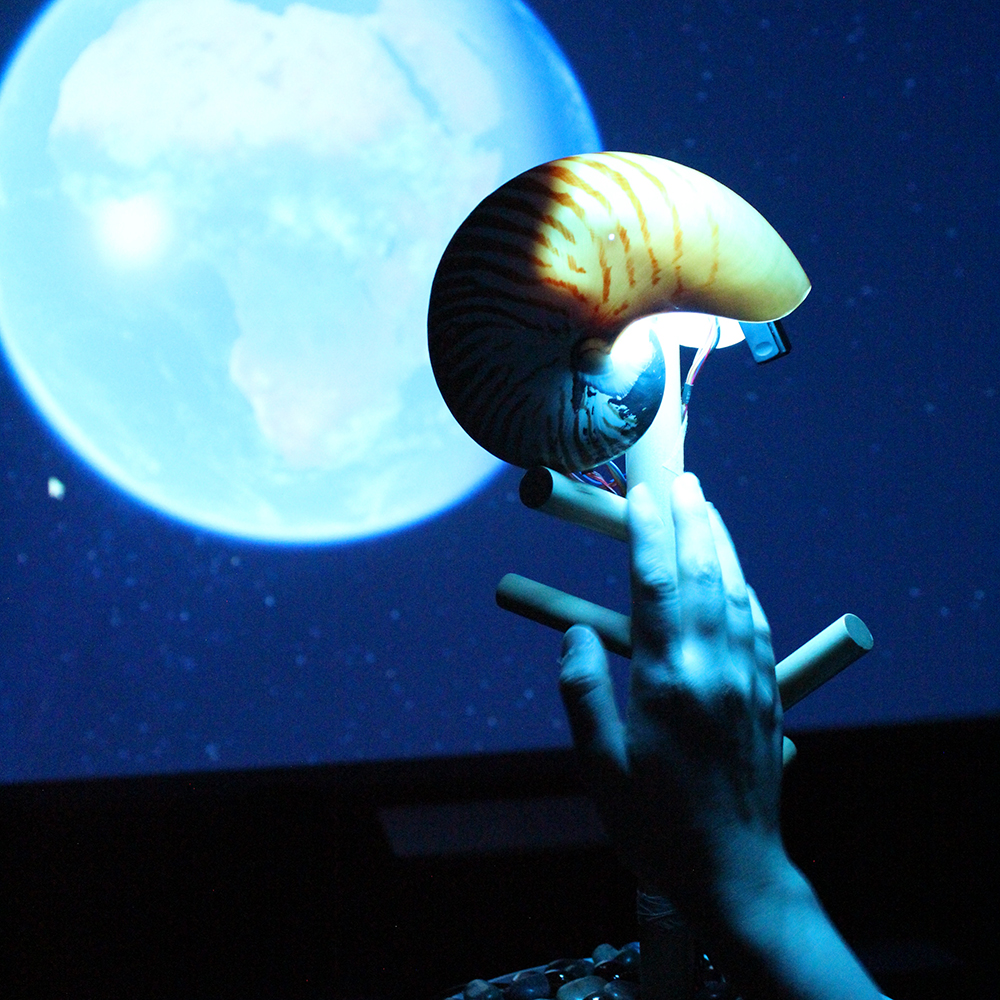
Sensorium Arc is a real-time interactive AI installation that personifies the ocean as a living, poetic speaker. Users speak into a nautilus shell and the ocean responds as visualizations of chlorophyll levels, ocean temperature, CO2, and wind flow from NASA Earthdata animate on the screen. Rooted in the eco-aesthetic philosophy of Newton Harrison and developed in collaboration with the Center for the Study of the Force Majeure and Virtual Planet Technologies, the work asks what it means to let an ecosystem speak. Sensorium runs on a multi-agent, retrieval-augmented LLM pipeline, grounding the ocean’s voice in the Harrison archive and measured ocean records to generate poetic ecological narration.This talk explores how computational art can reframe living systems as voices to be heard, and how AI can transform our relationship to the natural world by making the ocean’s ecological crises intimately present.

Zi-Wei Wu is a media artist and researcher born in 1996 in Shenzhen, China. She holds an outstanding graduate bachelor’s degree from the China Academy of Art, School of Intermedia Art (SIMA), and a Master of Fine Arts with distinction from Goldsmiths, University of London, in Computational Arts. She had a Ph.D. degree in the Academy of Interdisciplinary Studies, majoring in Computational Media and Arts (CMA) at the Hong Kong University of Science and Technology. Her artworks and research primarily focus on biology, science, and their impact on society, utilizing a range of media.
She engages in interdisciplinary studies of Artificial Life Art, exploring the intersection of art and research with biology as concepts and bio information as data.
She is a Lumen Prize, Batsford Prize winner, and long-list nominee for the Information is Beautiful Award. Her research was published in the SIGGRAPH Art Program, ISEA, and the Artificial Life Journal in MIT Press. She has exhibited at international venues, including Ars Electronica in Linz, CYFEST in Saint Petersburg, ACMI in Australia, IEEE VIS Arts Program (VISAP) in Vienna, Norwegian BioArt Arena (NOBA), Watermans Gallery and Cello Factory in London, NeurIPS AI Art Gallery, Run Run Shaw Creative Media Centre in Hong Kong, and so on.