
UTC, Time Zone Fri, Oct 9, 2026 at 8:00 pm
For nearly every human on the planet, we spend our lives wrapped in textiles. Textiles mediate our relationship to the environment and our experiences of embodiment. Their material qualities form a symbiotic relationship with the body that defines identity and cultural representation. As digital and physical realities converge, textiles move into new forms of material and immaterial expression. In virtual worlds, fantastical bodies and dematerialized garments reflect collective desires and imagined futures, while advances in biomaterials, 3D printing, zero-waste weaving, and smart textile research transform what garments can be in physical space.
The convergence of digital and physical textile developments suggests a future in which textiles evolve from clothing into interfaces that bridge knowledge, society, and human experience. In digital environments, speculative design and virtual textiles allow individuals to inhabit forms unconstrained by physical limitations. Algorithms enable digital garments to function as expressive interfaces for embodied experience and cultural narratives. Virtual environments also support the preservation of intangible heritage through textile representation in immersive and interactive storytelling. Meanwhile, innovation in biomaterials, smart fibers and textiles, and zero-waste systems continues to redefine materiality in the physical world.
As emerging technologies blur the boundary between physical and virtual realities, textiles move into new spatial, experiential, and symbolic dimensions. How future garments, whether digitally simulated, physically manufactured, or existing in hybrid states, will influence human identity and cultural continuity is important to this discussion. This talk considers how textiles may shape new forms of human–technological existence, potentially acting as connectors between physical bodies and virtual selves while opening space to reflect on environmental, cultural, and technological contexts.
A Fabric with No Fibers

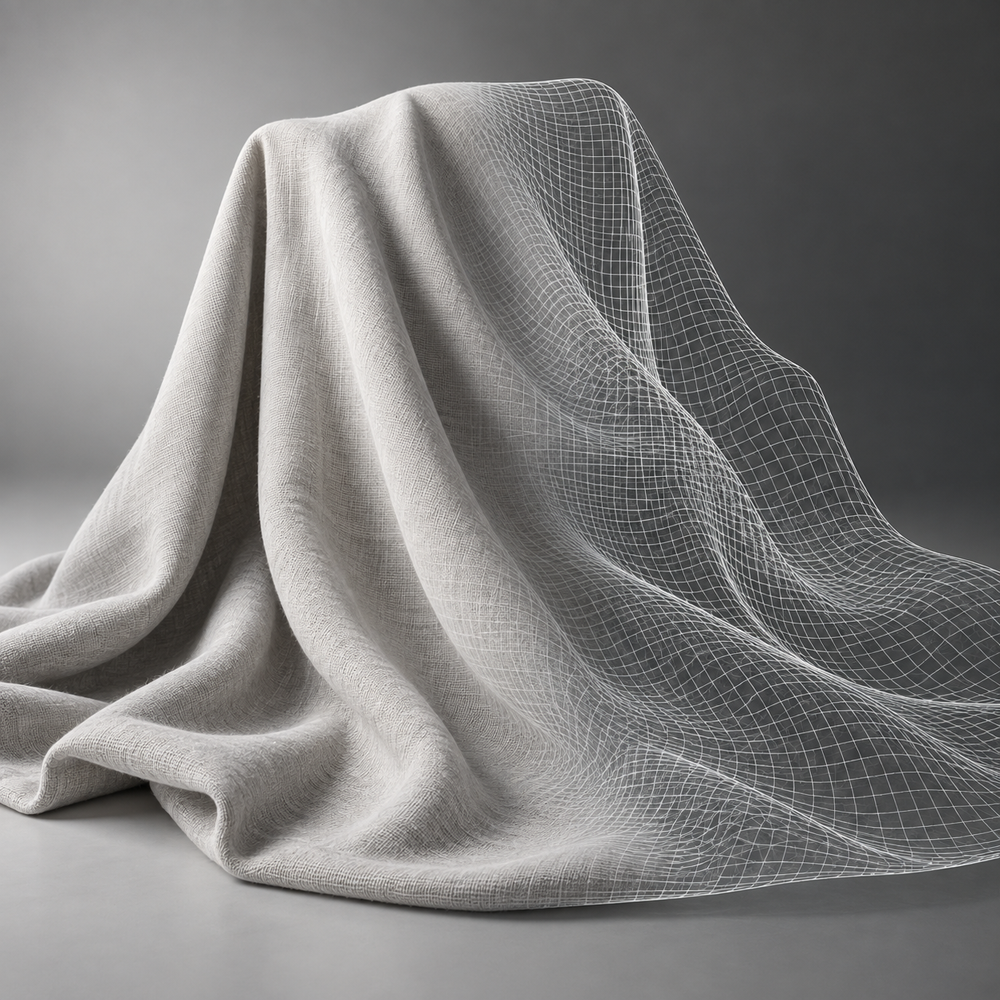
A fabric is a multiscale structure of polymers, fibers, yarns, loops, and interlacements. To simulate it, we collapse that complexity into a thin computational surface – a mesh of triangles. We then reconstruct it digitally, approximating its behavior through stretch, bending, thickness, and weight, and its appearance through layers of color, reflection, roughness, and transparency. The result is a “fabric”, but with no hierarchy. A fabric with no fibers. Drawing on experimental work in fabric digitization and simulation, this talk explores that curious process of deconstruction and reconstruction. What is preserved, lost, or invented when a physical fabric becomes digital? Could a digital material carry intelligence, manufacturing history, or capabilities unavailable to its physical counterpart? And as digital materials increasingly guide the creation of physical ones, which becomes the ground truth: the fabric we measure, the fabric we simulate, or the fabric we have not yet made?
Beyond Physical Costumes: Exploring Digital Garments as Tools for Movement and Choreography

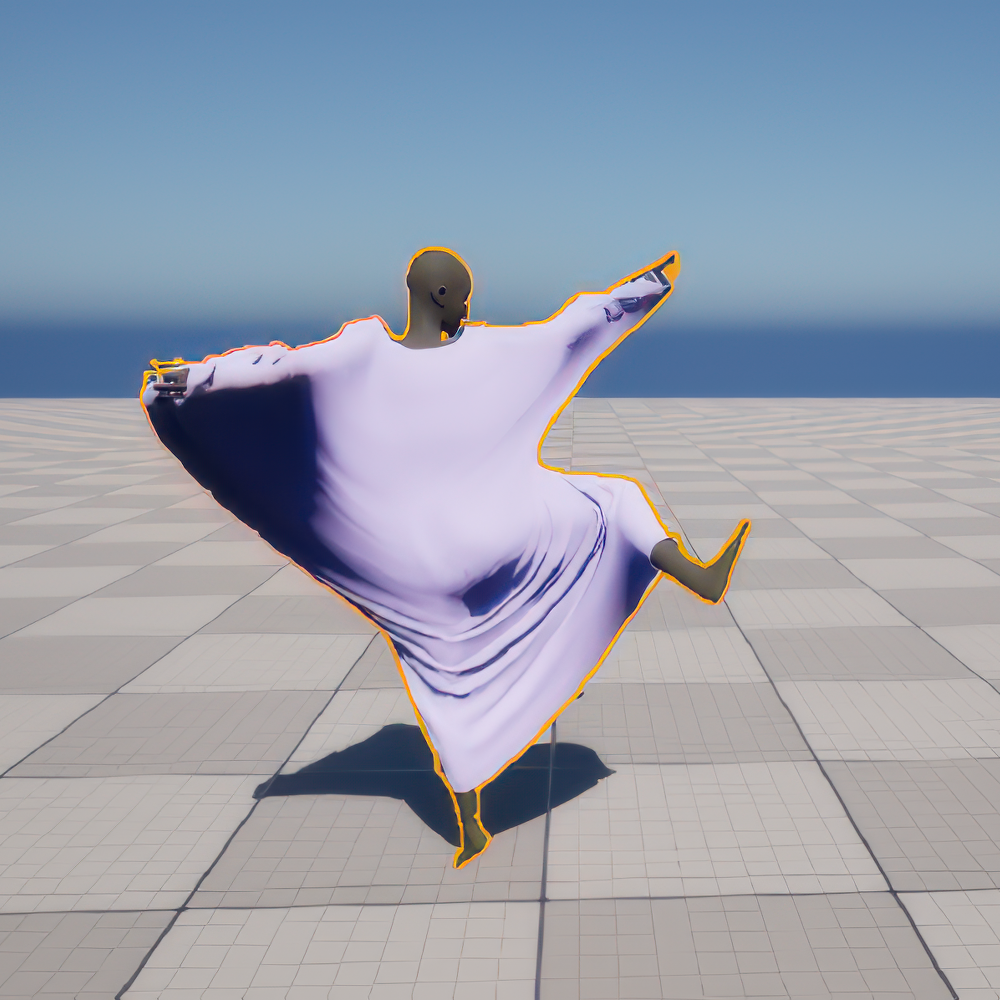
What happens when a costume no longer needs to obey the constraints of the physical world? Could a virtual costume become a stimulus for movement? This talk explores the use of virtual garments as tools for choreographic experimentation and embodied interaction. Drawing on research combining motion capture, cloth simulation, XR, and digital characters, it presents different applications of virtual costume in dance: from visualizing costume–movement interactions before physical production, to exploring virtual garments as visual stimuli for movement and choreographic experimentation. The presentation introduces ongoing research investigating how different virtual costume designs and simulated behaviours may influence movement. Through real-time interaction between the body and simulated garments, this work considers virtual costume not only as a means of visualizing clothing, but as an active component of the creative and embodied experience.
Garments as Narrative Interfaces: Connecting Physical Bodies to Cultural Imaginaries


Digital fashion is often seen as clothing made for virtual bodies. In interactive multimedia works, garments can move between forms and work as a narrative medium.
Using ISTERICA as a case study, this talk follows four future fashion looks based on cultural research and linked to four related identities. With an AI-assisted 3D workflow, the looks first shape animated characters. Their patterns and visual markers are then transferred onto viewers’ live images through TouchDesigner, while selected accessories become wearable objects through 3D printing.
As these signs move from virtual bodies to viewers and objects, the audience no longer remains outside the story. They temporarily take on different identities and viewpoints. The project shows that designing future garments is not only about appearance and material. It can also shape how cultural meanings move between bodies and how a story unfolds across digital and physical spaces.
DRESS_CODE

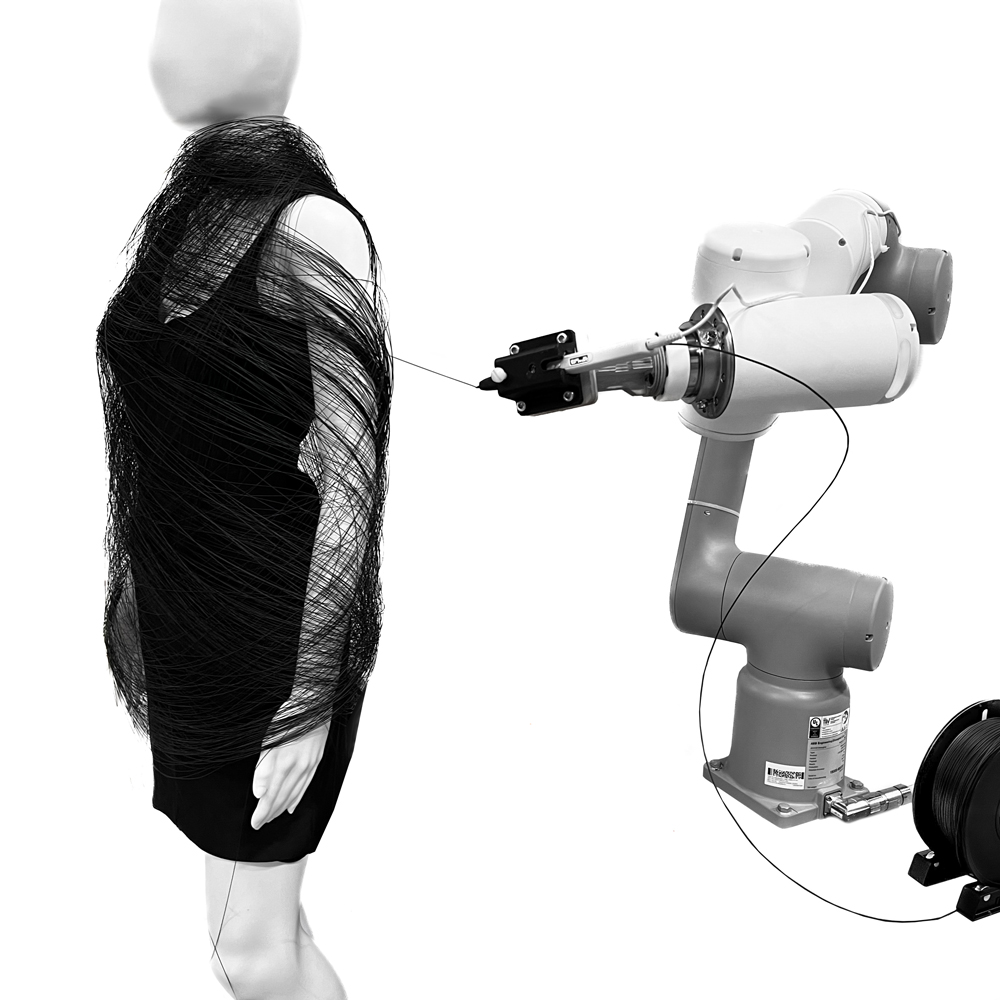
“DRESS_CODE” focuses on the merger between technology and fashion. It combines looks that were 3D printed by a robotic arm through three methods: Random, Accurate, and Large-Scale with sustainable materials. Inspired by software engineering, the collection explores the aesthetics of the abilities and limitations of this technology. The thesis compares traditional methods, such as pattern making and fabric sewing, to 3D printing by hand and by a robot, where software becomes art and is translated into wearable objects.
Designing the Moving Body: Movement as Material, Body as Interface

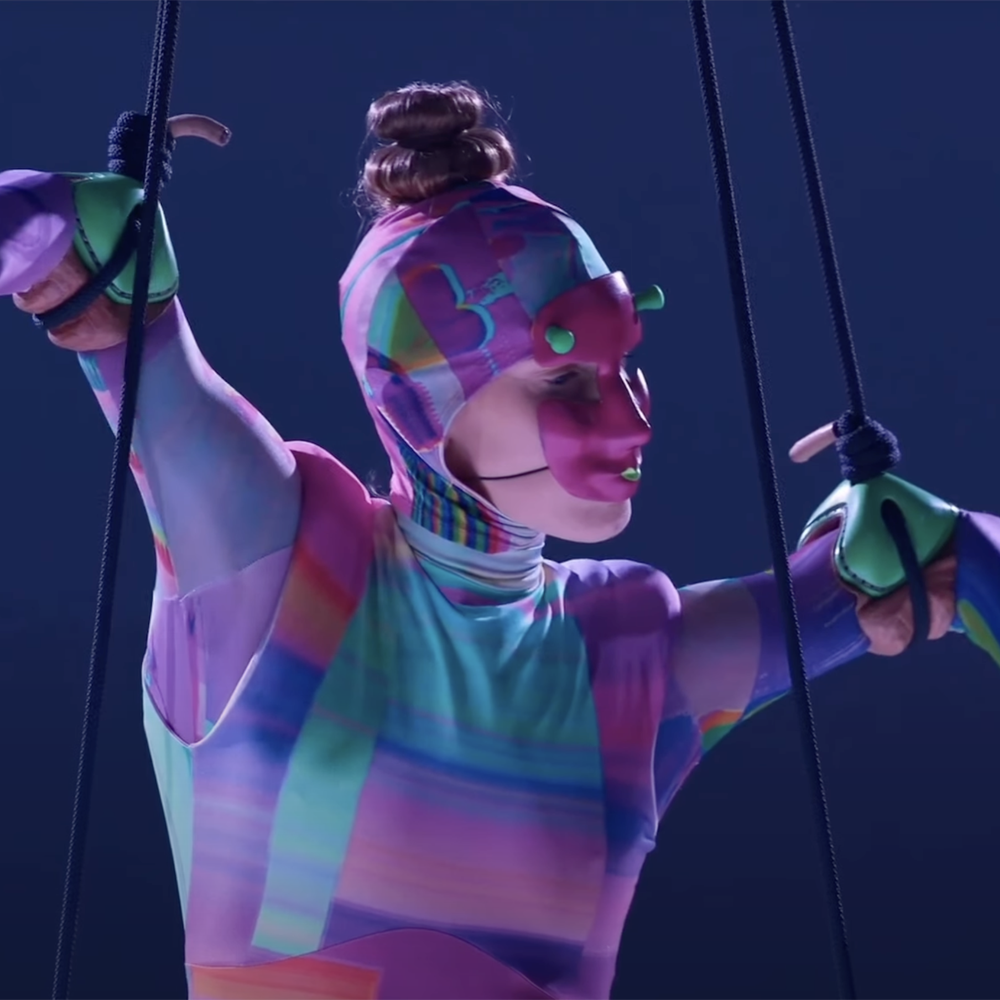
Maya Kaplan’s design practice starts with the body and explores a continuous interaction between the body, material, and technology. In her talk, she will present how the body and movement are at the core of her practice, functioning as both material and interface. She will discuss how digital design tools, including body scanning, computational design, and digital fabrication, enable her to design not only wearable objects, but movement itself. This approach has led her to develop a more holistic perspective on textiles, exploring how computationally designed, 3D-printed textiles can shape not only the form of a garment, but also its behavior and performance.
Knittable Electronic Textiles as Material Platforms for Computational Arts and Design
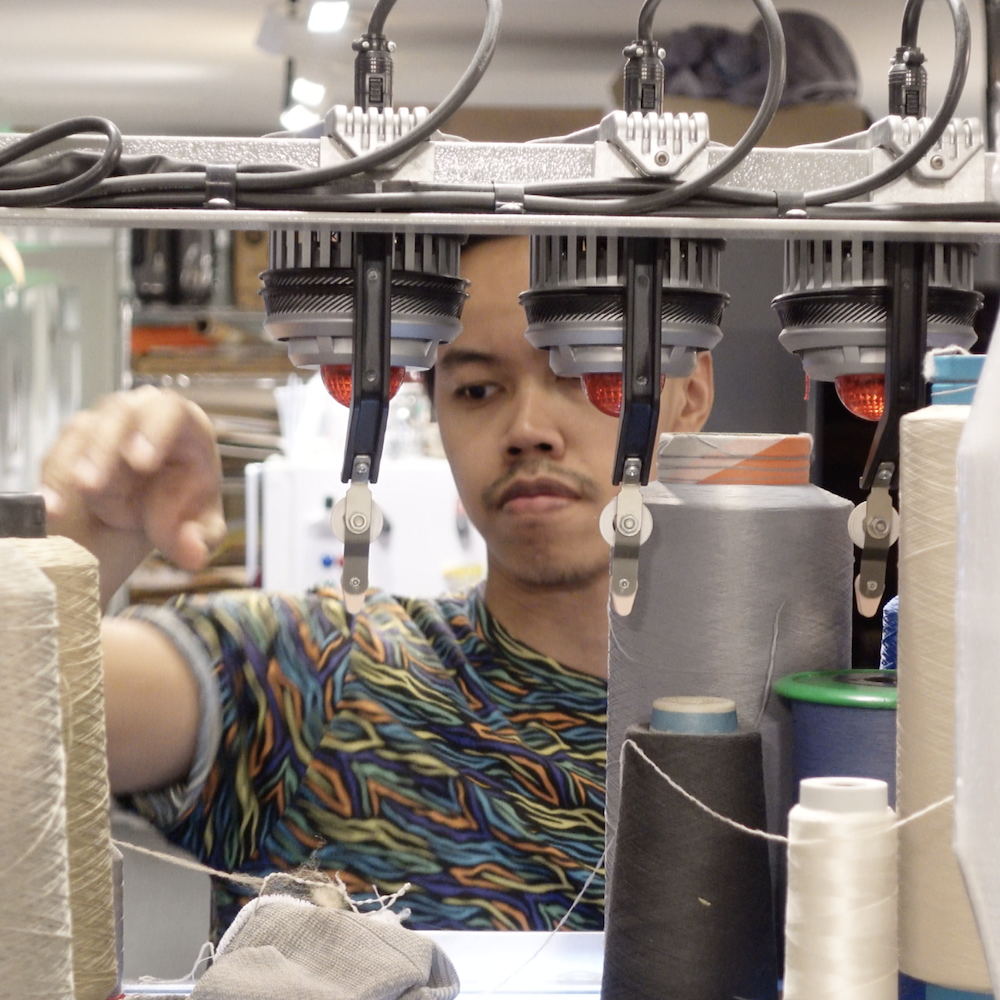
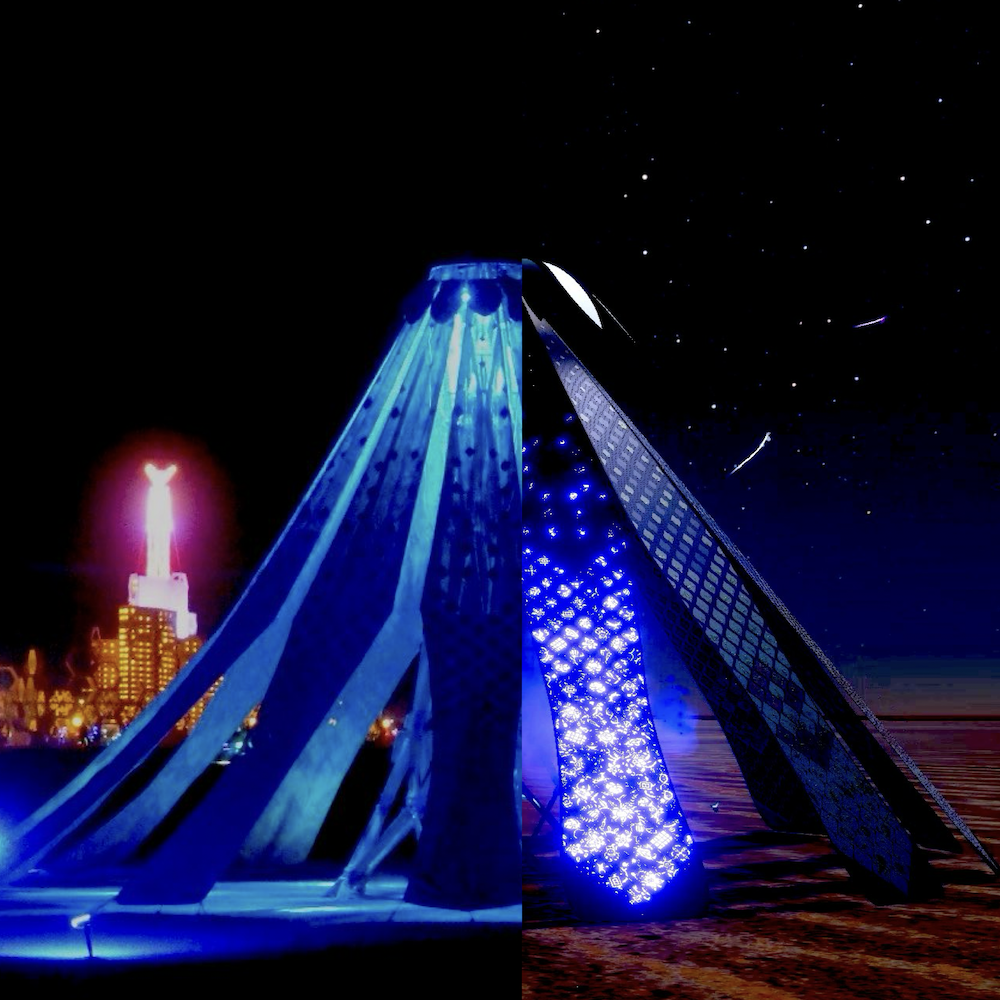
Textiles are among humanity’s most intimate technologies: they shelter and adorn the body, carry cultural memory, and embody sophisticated material and structural knowledge. Today, functional fibers, digital fabrication, and computation are opening a new chapter, enabling textiles to sense, communicate, and respond while retaining their soft tactility and expressiveness. This talk explores seamlessly knitted electronic textiles as a meeting point between science, engineering, design, and artistic experimentation. Through a collective and collaborative work, I examine how electrical functionality can emerge from the material and structural decisions that create texture, form, ornament, and meaning across wearable, spatial, and architectural scales. Finally, I will propose a framework for functional–aesthetic co-design, where computation does not merely inhabit the textile, but becomes part of its material language through which art and technology merge and continue to evolve together.
Carbon Nanotube E-Textiles for Respiratory Sensing in Musical Performance
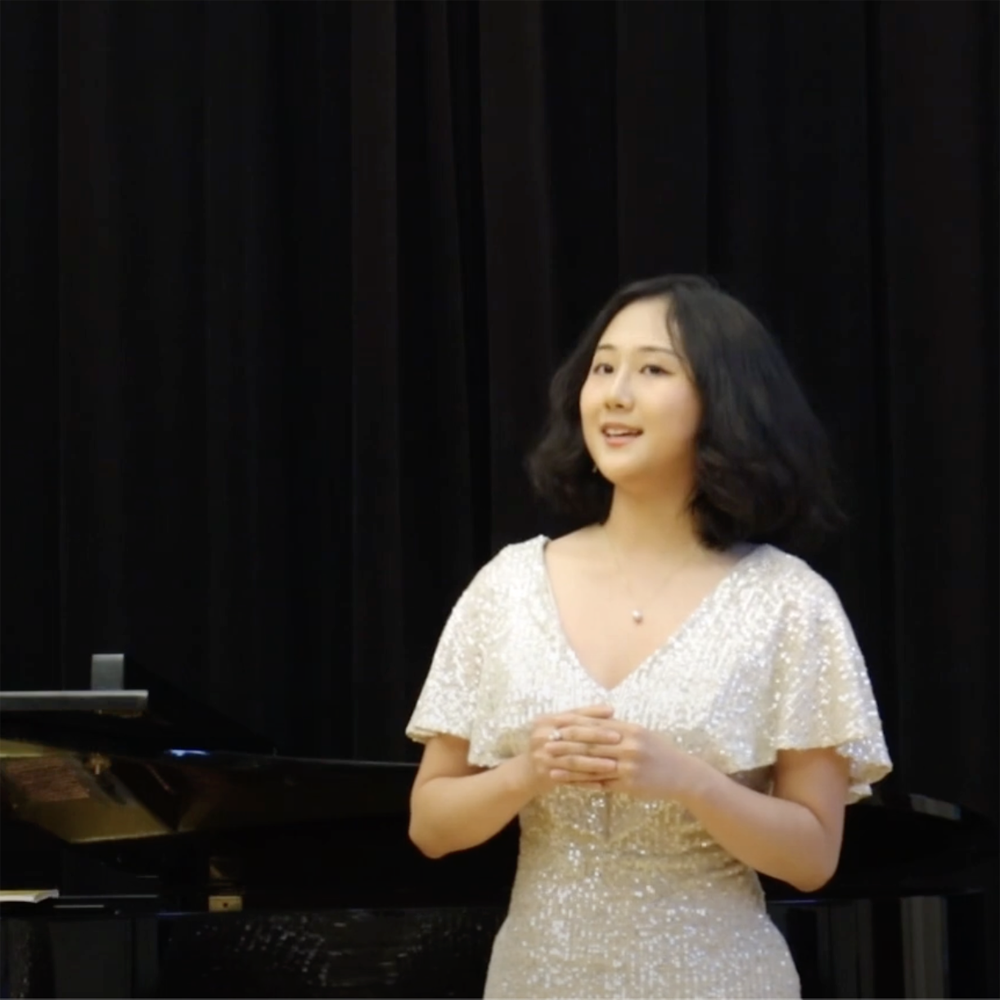

Respiration and bodily mechanics are central to musical expression, yet capturing them unconstrained remains a challenge. Built upon proprietary carbon nanotube (CNT) strain sensors designed by Yamaha Corporation, our research investigates wearable physiological sensing across musical practices through continuous co-design with Yamaha. This collaborative trajectory began with capturing nuanced physical effort in piano performance, where our NIME 2026 paper examined respiratory patterns and postural dynamics during live piano playing. Building on these insights, I present the latest iteration of GummiSoma, an e-textile garment co-designed with Yamaha for my vocal performances. GummiSoma tracks subtle ribcage and abdominal breath kinematics with high fidelity, preserving natural vocal freedom. Finally, I share plans to integrate the garment into upcoming singing performances.


Dr. Kristin Carlson is an Associate Professor in the School of Creative Technologies at Illinois State University, investigating the intersection of computation and embodied creative processes. Her background includes design thinking, tangible interactions, media performance, and computational creativity. She is currently interested in soft technologies and is experimenting with conductive materials in a variety of textile techniques to explore embodied experiences. Carlson holds a BFA in Dance from UIUC and a PhD in Interactive Arts and Technology from Simon Fraser University. She currently chairs the Steering Committee for the International Conference on Movement and Computing (MOCO).