

This SPARKS session focuses on speakers who are neurodiverse artists. The key point of the session is to encourage further dialogue and multidimensional input into public and academic discourse around interabilities, arts and technology. We are entering an age where accessibility for people for all abilities is essential to the productivity and identities of contemporary pluralist societies. Art and technology are essential in this development as society, culture and technology co-constitute each other. We are already building accessible societies. Therefore, how do we responsibly lay the foundations for the better versions of our accessible cultures and societies? Within the core of this SPARKS session are at least two concepts that seem to be rather misunderstood. Those terms are: – interabilities (the collaboration of people with different abilities) – prosthesis (technology that extends human abilities). The value of artists in this paradigm is high and essential, as it tends to be the creative thinkers who understand the ‘why’ as well as the ‘how’.
From Assistive to Expressive: Disability, Art, and Technology
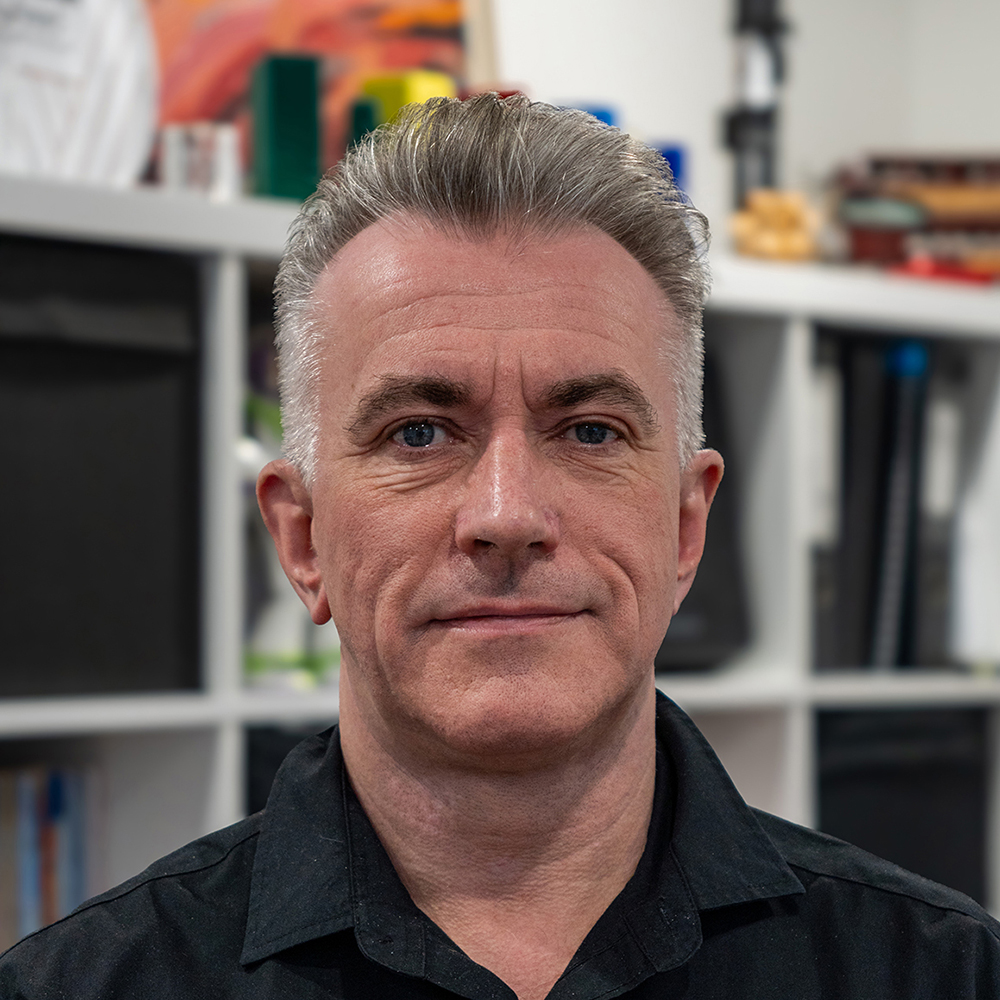
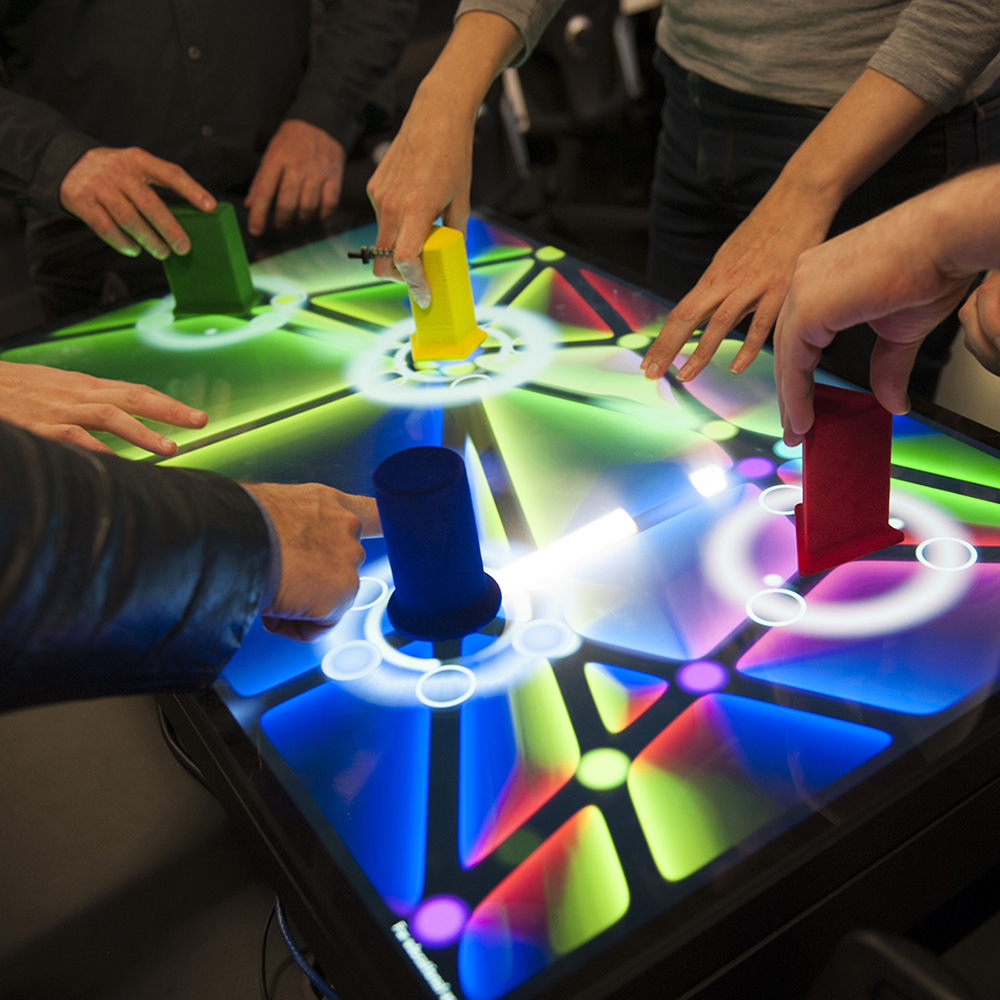
As digital and immersive technologies are embedded in everyday life, accessibility is no longer peripheral but foundational to contemporary culture. This presentation draws on creative practice research developed through long-term collaboration with artists and participants with disability, examining how art and technology can co-produce new forms of agency, authorship, and participation. Rather than treating accessibility as accommodation, the talk positions it as a generative design condition shaped through creative collaboration and lived experience. Using examples from interactive sound, movement, and immersive media projects, the presentation highlights the critical role of artists in shaping responsible, inclusive technological futures and invites dialogue on how accessible cultures and societies can be actively designed rather than retrofitted.
HAHA (Hypertrophic Ambidextrous Hand and Arm)
– Stelarc
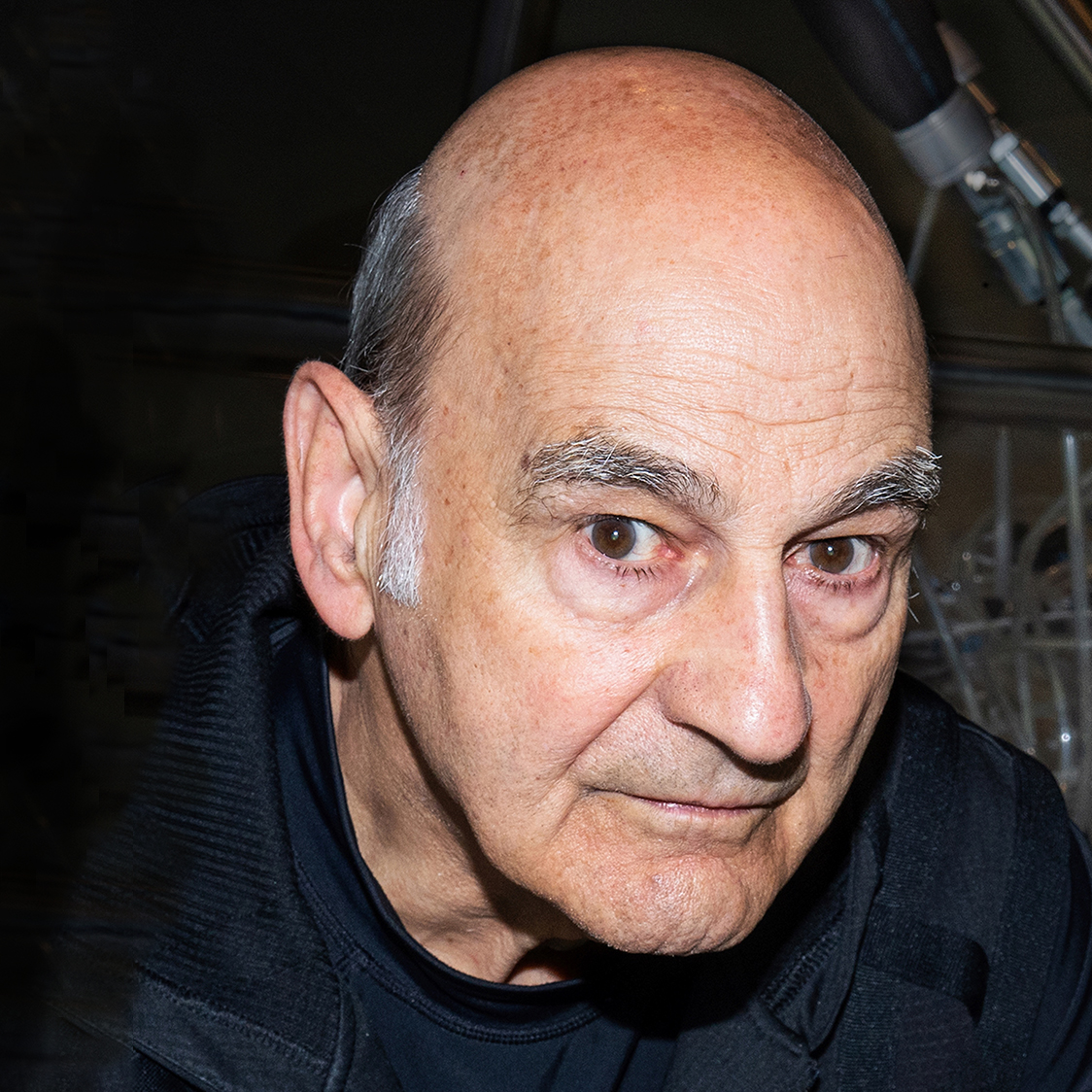
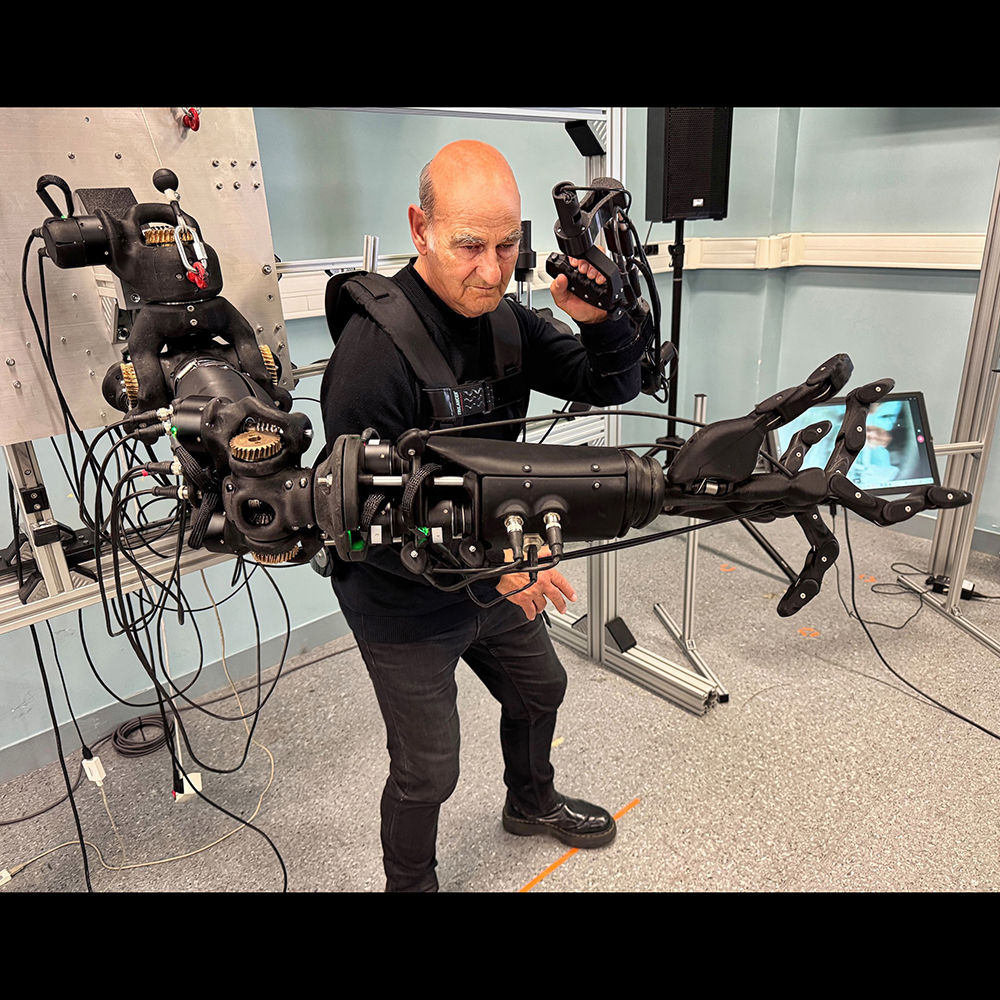
HAHA is a large 10 degree-of-freedom arm. The thumb rotates forwards and backwards with the fingers being hyper-extensive. The hand can switch from a left hand to a right hand in the one universal design, with the elbow being double-jointed. It will have 4 modes of actuation. It has an algorithmic generative autonomous mode, a proximal teleoperation mode, a bio-signal synchronous mode and with remote online interactivity. Because of the size and weight of the arm it is has a support structure that the artist can be magnetically coupled to, allowing the body to move side to side and with some limited up and down movement, adding to the choreography generated by the system. With an eye-in-arm camera, embedded in its wrist, close-up images of the artist can be generated and projected large as part of the performance. The finger and arm movements are registered by the amplified sounds generated. This project has been engineered at the ISIR Lab at Sorbonne University in Paris- a collaboration that has necessitated both engineering and programming assistance.
In Plain Sight: Integrating interabilities into New Media Practice
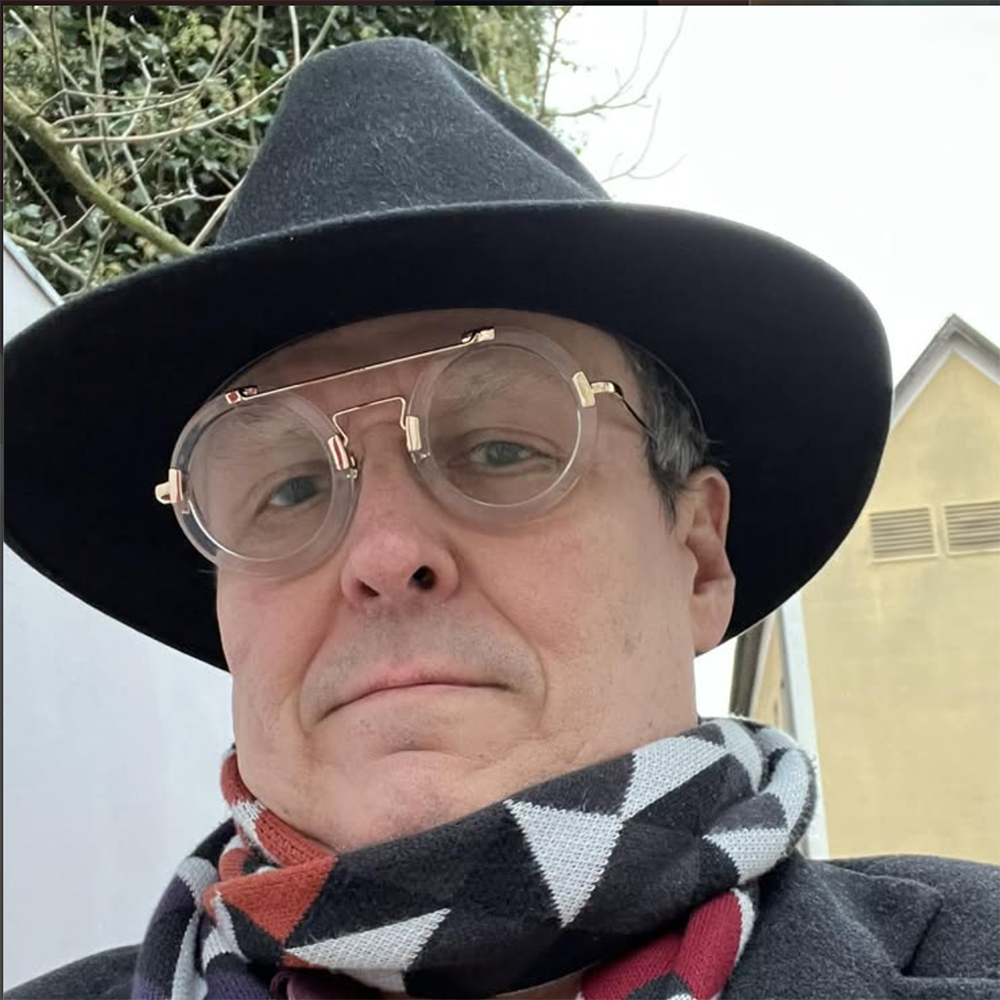

Patrick Lichty’s talk frames many of his projects as an expression of neurodiversity and research-based practice, using low-resolution aesthetics as cognitive metaphor. His early low-resolution photography and 8-Bits-or-Less video series resist optical mastery, embracing constraint, noise, and compression as ways of “thinking differently”. These works translate sensory overload and attentional fragmentation into legible form. Lichty extended this logic into idiosyncratic AI systems and Second Life projects, where rule-bending agents, procedural misreadings, and social avatars perform divergent practices in public space. Rather than correcting error, the work cultivates productive difference—latency, glitch, and ambiguity—as epistemic value. Across media, Lichty argues that reduced resolution is not a deficit but a strategy: a poetics of difference that foregrounds alternate perception, adaptive systems, and situated meaning today globally.
Noise Scavengers
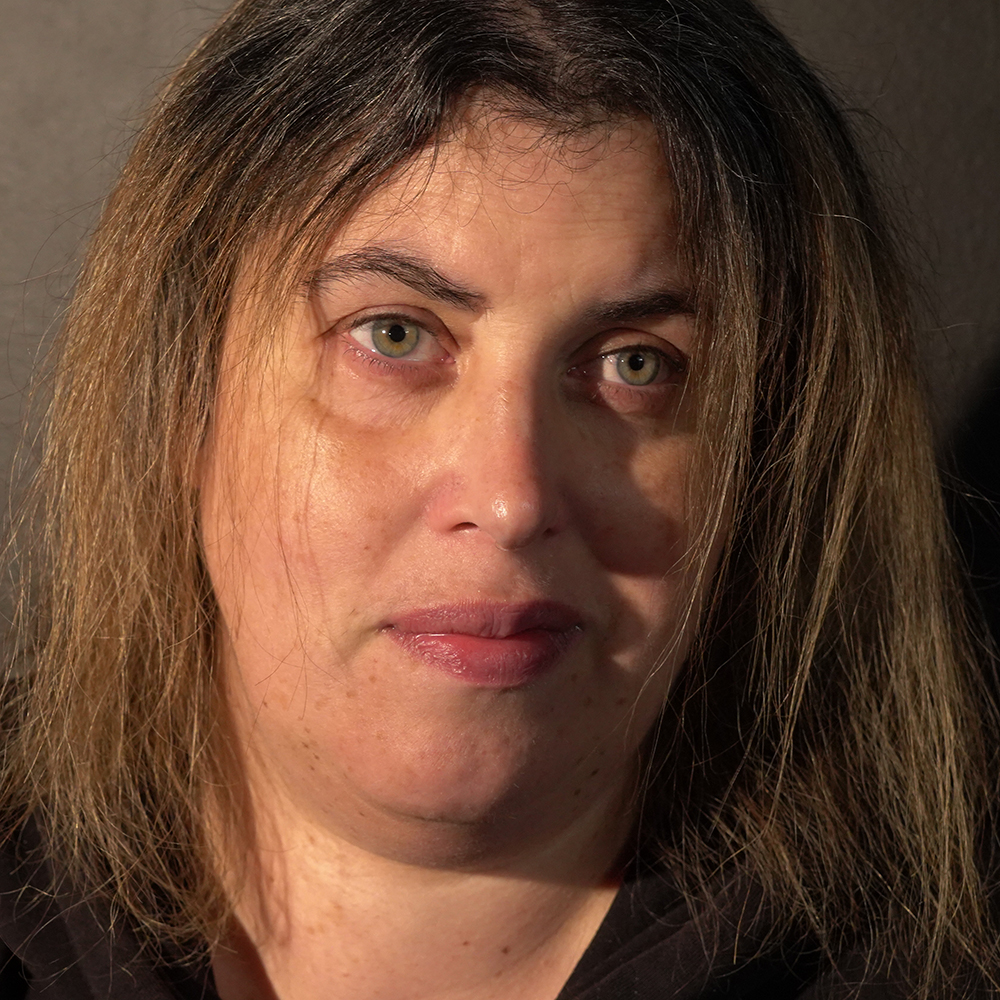
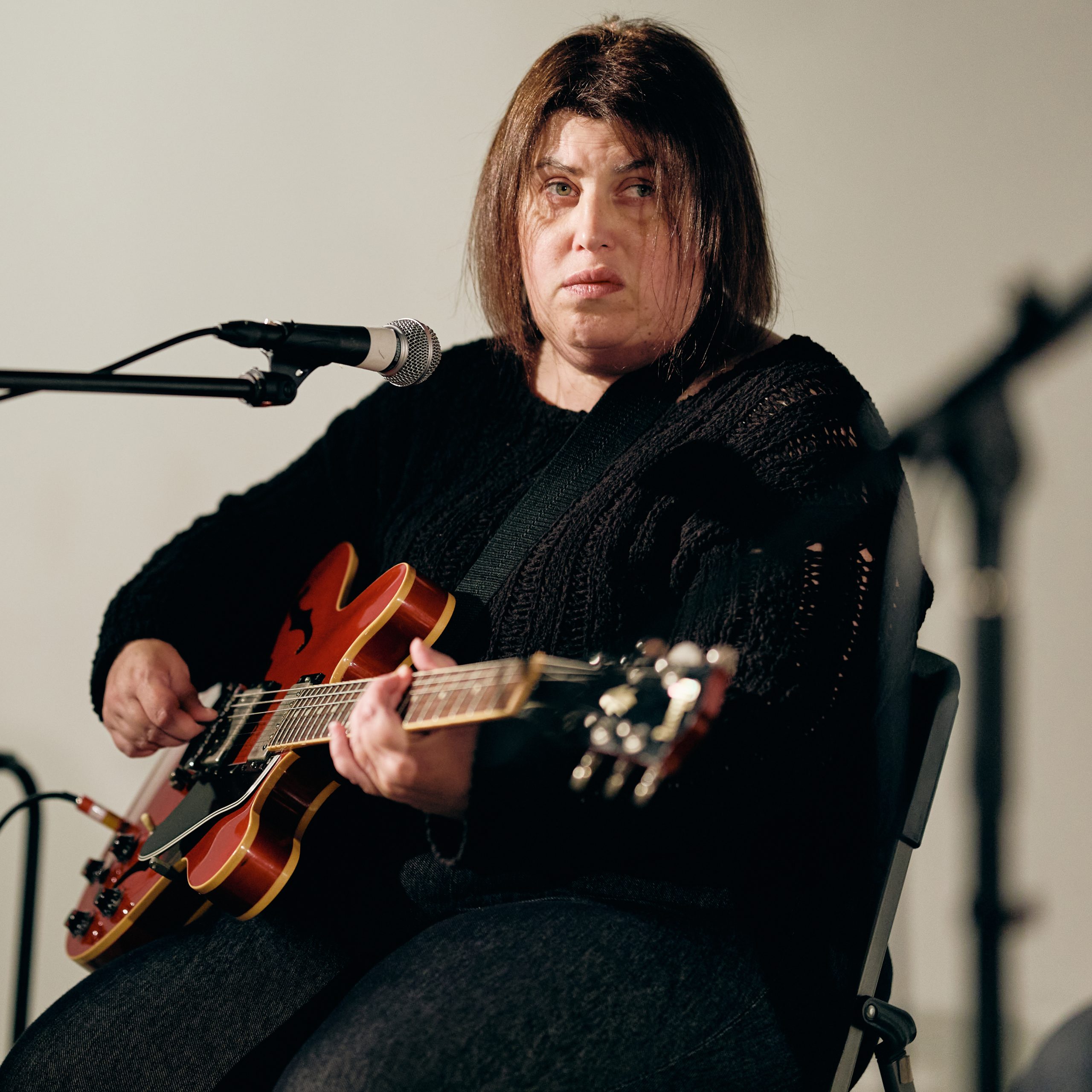
Noise Scavengers is an experimental sound-art band combining rock instrumentation, electronics and performance art. Emerging from a youth program in Corio, Geelong (2010), the project has evolved into a professional ensemble produced by JOLT Arts and mentored by Michael Hewes and James Hullick. Their major work Augmented Hyenas (2022) introduced wearable sound controllers and synthesizers developed with performance artist Stelarc and collaborators. Premiered at JOLT Arts Space, the project became an album and toured Australia and Japan in 2023. Working across guitar, synthesizers and live electronics, the group creates immersive, unpredictable sound environments that move between noise, drone and meditative listening.
Sensing the System: Embodied Encounters With Digital Twins

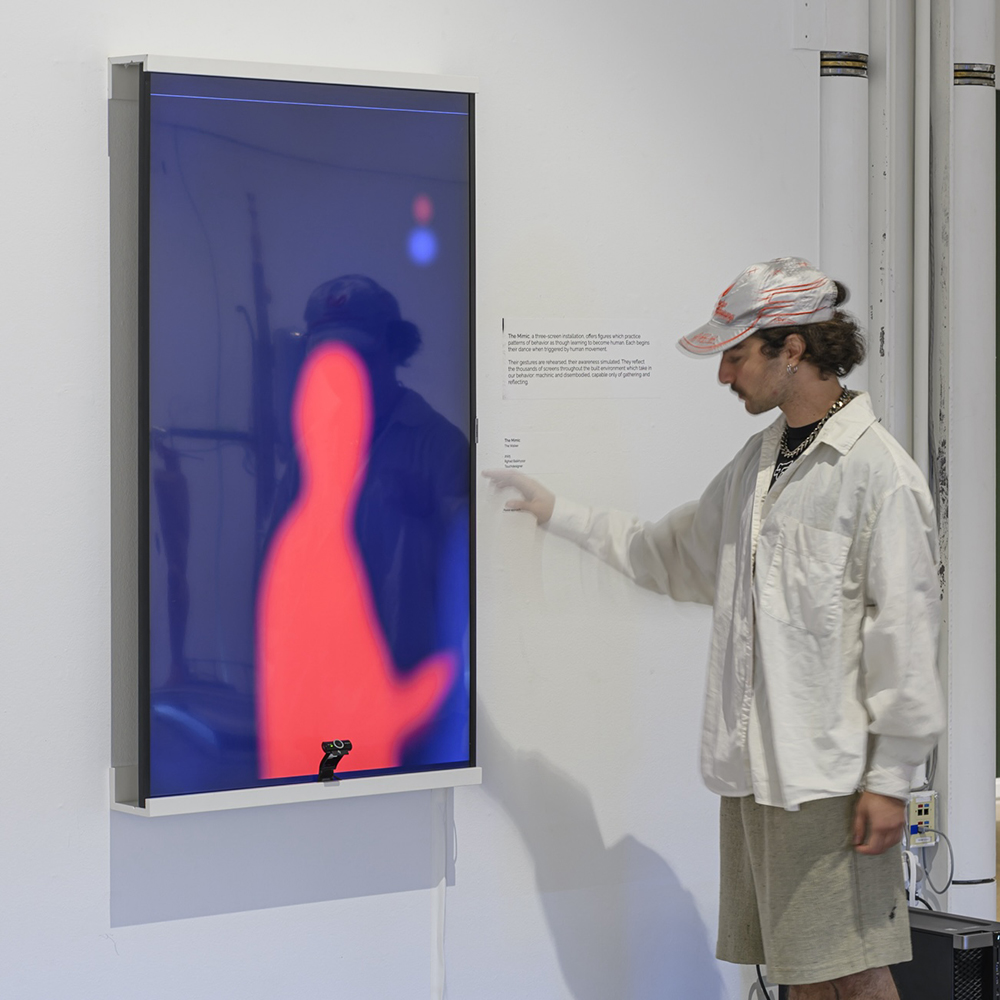
Interactions with technology are sensorial and driven by individual cognitive processing. As such, diverse sensing and information processing mechanisms can structure divergent technological designs. Digital twins–algorithmic representations of humans– offer opportunities for grounding digital actions in sensorial experience. This presentation introduces Digital Twin, a year-long research-driven art exhibition that encourages self-recognition beside algorithmic systems through embodiment, perception, and sensation. As installations engage perceptual mismatch through ambiguous gesture, variable proximity, and temporal delay, viewers produce responses shaped by individual sensory orientation, attention, and prior experience. Rather than a failure of algorithmic efficacy, misalignment is leveraged as an indication of human complexity, encouraging self-recognition through sustained interaction, framing interactive systems as mediating artifacts reconfiguring human–technology relationships.
SIXTHVIEW — Extending Senses, Capturing Voice of Earth

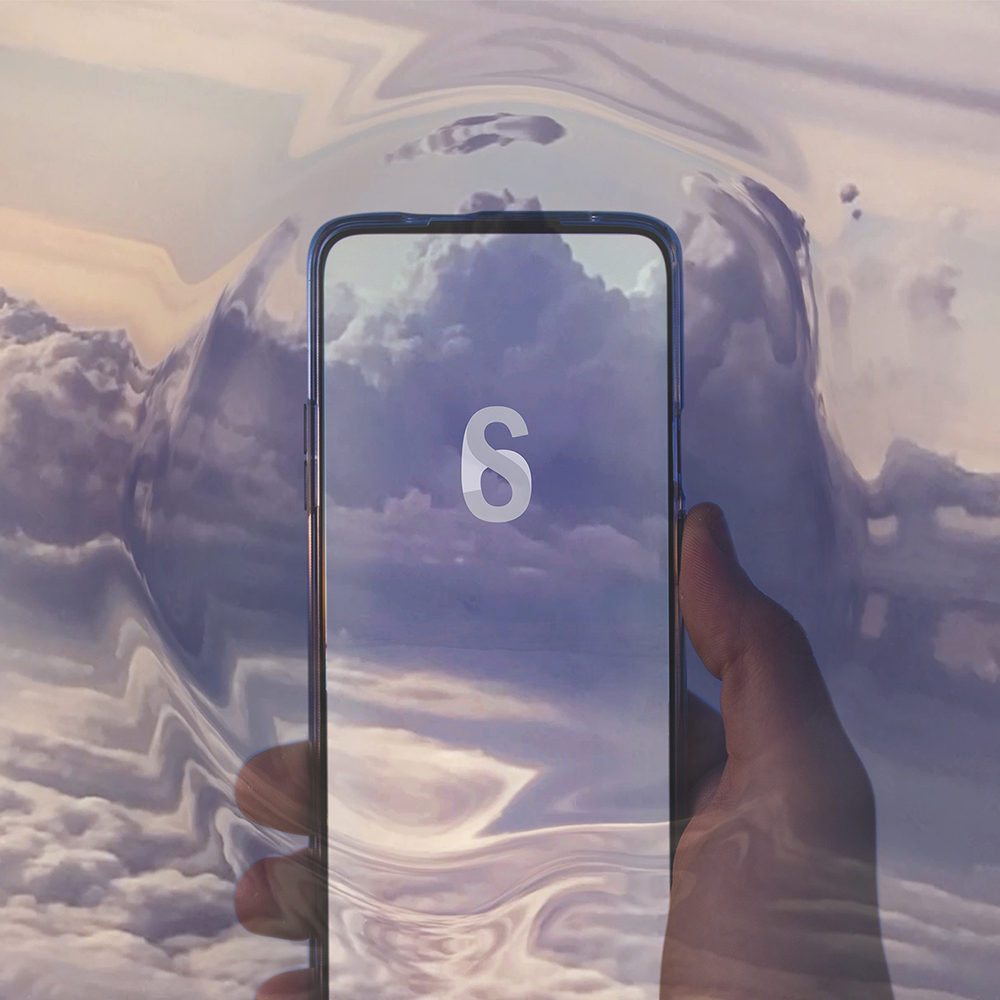
My presentation expands “interabilities” and “prosthesis” into planetary-scale perception. My work, SIXTHVIEW, embodies a “sensory prosthesis” granting humans a “sixth sense” by leveraging technology to perceive infrasound—low-frequency vibrations generated during large-scale natural phenomena like earthquakes and tsunamis, which remain inaudible to the human ear. This is not merely a technical demonstration; it explores “perceptual diversity,” a key element in neurodiversity discourse, presented as a proactive dialogue with our environment. When individuals with diverse abilities sense these subtle planetary shifts through this “common language,” it fosters profound empathy for others and the planet. This shared sensory experience is essential for building “foundations of accessible cultures” and contributes to a safer world by transforming disaster preparedness into a conscious, daily habit. I discuss how 21st-century art and technology foster perceptual solidarity for humanity.
The Amplified Elephants
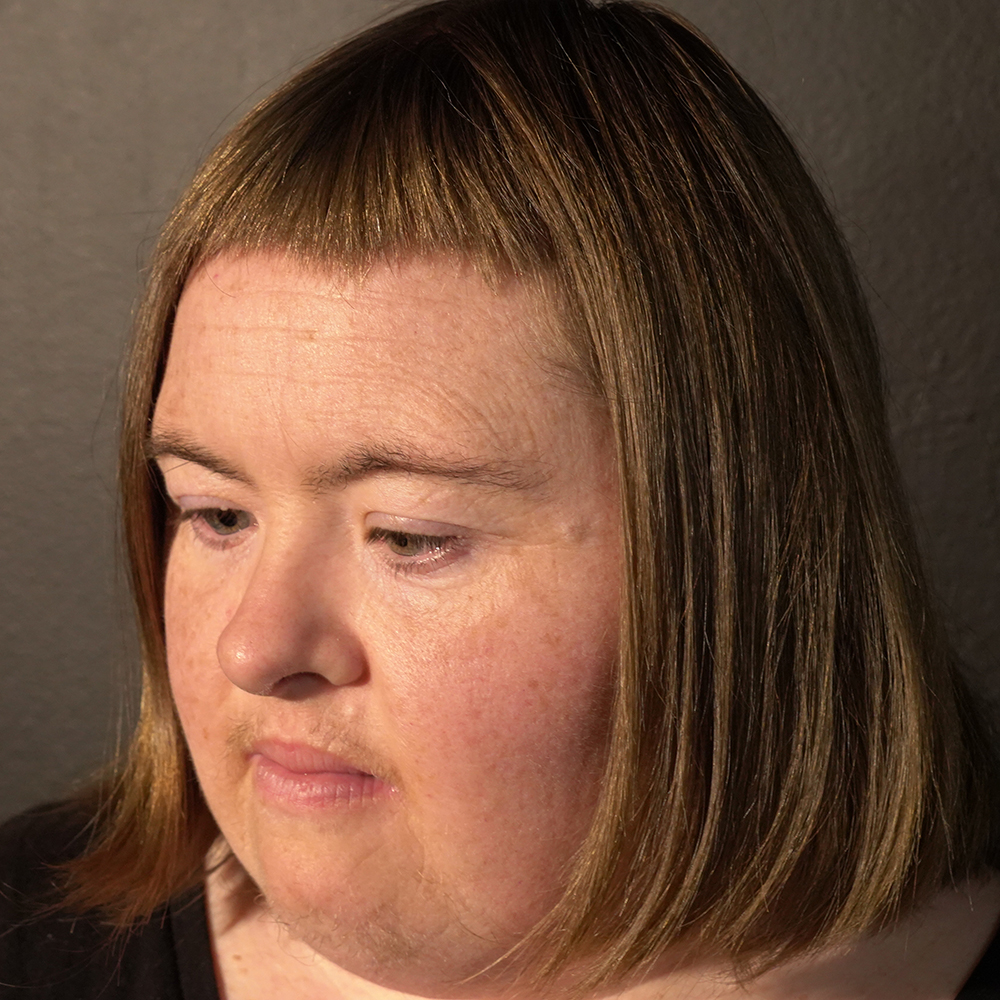
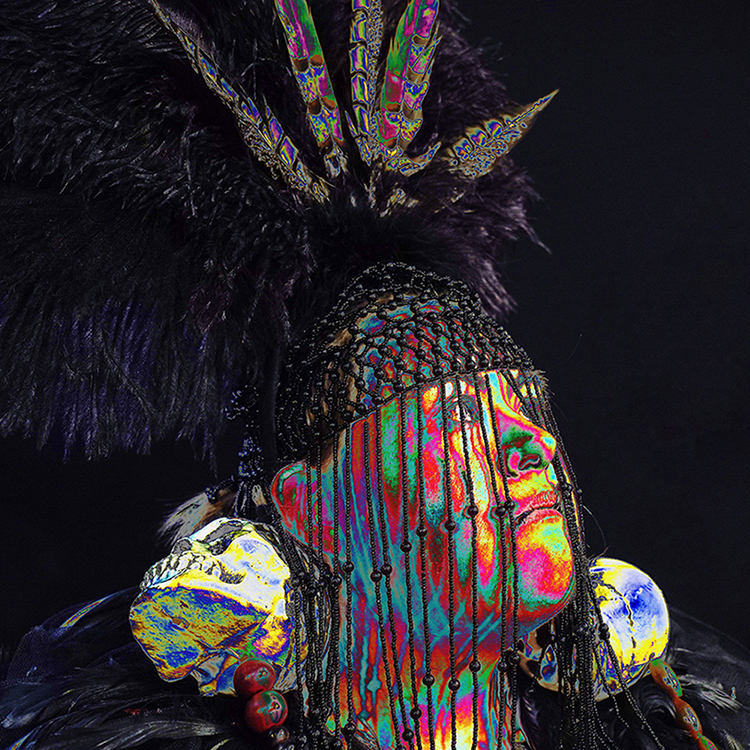
The Amplified Elephants is an Australian sound-art ensemble featuring neurodiverse artists working across experimental music, performance and technology. Formed in 2008 and produced by JOLT Arts, the group creates immersive surround-sound and music-theatre works exploring listening, perception and collective creativity. Their productions — including Select Naturalis, Self Seekers and SHHHH — have been presented at major festivals and venues in Australia and internationally, with tours to Japan, Hong Kong, Macau and the UK. Winner of the Music Victoria Award for Best Avant-Garde Work (2022), the ensemble combines voice, electronics and custom sonic systems. Recent projects include the album Deep Creatures (2021) and the cross-culture collaboration Hagoromo with Japanese Noh vocalist Ryoko Aoki.
VR ECOLOGY: Interability and Prosthetic XR for Neurodiverse World-Building
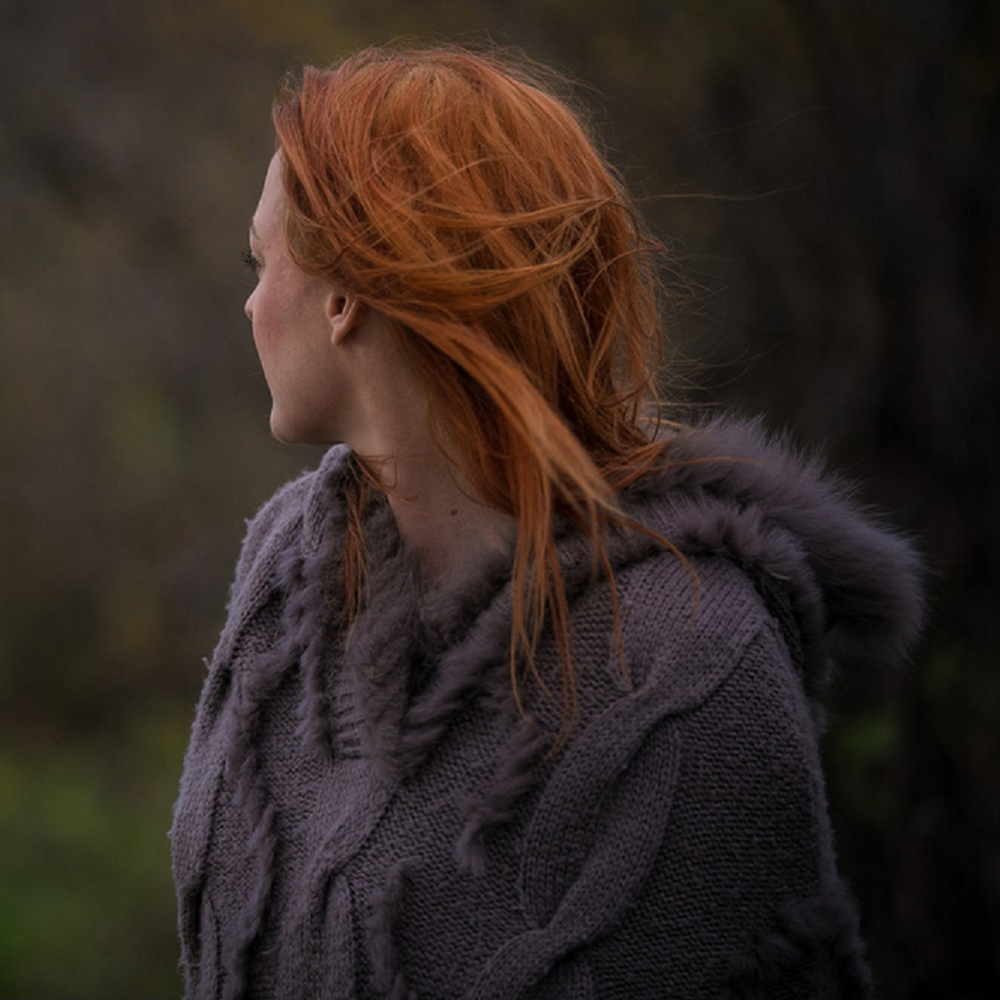
VR ECOLOGY is a neurodiverse-led research-creation project that treats XR as a prosthesis for shared perception and co-authorship. In a responsive virtual habitat, gesture, movement, and optional IoT sensor streams drive sound, light, and haptic feedback, while an adaptive AI agent tunes intensity, pacing, and modality to different sensory needs. I share lessons from this work and from my “XR AI IoT” projects on designing multisensory interfaces that externalize high-dimensional thinking into spatial, sonic, and tactile cues collaborators can negotiate together. Rather than “accommodating” one user, the system is designed for interabilities: collaboration across differing cognitive styles and bodies, including more-than-human agents. The talk offers practical design moves (multimodal redundancy, adjustable thresholds, consentful adaptation) and open questions for accessible cultures in art and technology.

James Hullick creations are concerned with questions of our collective social life drawn from his work with community artists. Since 2006, he has worked with The Amplified Elephants – an ensemble for artists with intellectual disabilities.
A community worker, published researcher and artistic director of JOLT Arts and the BOLT Ensemble, James is an Australia Council for the Arts Creative Fellow 2015 and Michael Harvey Piano Scholar 2016. Through JOLT, James has co-directed large sonic events and festivals locally and in Asia, Europe and the US.
From the outside looking in, James’ creativity seems boundless, manifesting sound worlds from inventive machines, electronics, acoustic instruments, found objects, the human voice, sonic ensembles and the uncanny mergings of these things.

Dr Melentie Pandilovski is an Executive & Artistic Director who has curated over 200 projects. He is the Founder & Principal of Pandilovski Cultural Futures| Cultural Strategy, Contemporary Art & Art–Technology Advisory, based in Melbourne, Australia. His roles include: Creative Producer at JOLT Arts (Melbourne); Director of Riddoch Art Gallery (Mount Gambier, S.A.); Director of Video Pool Media Arts Centre (Winnipeg, Canada); Director of the Experimental Art Foundation (Adelaide, South Australia); Director of the Contemporary Art Center and Curator of SEAFair in Skopje, Macedonia. He was Editor of Art in the Biotech Era; Marshall McLuhan and Vilém Flusser’s Communication and Aesthetic Theories Revisited. He published Perspectives on Living and Thinking Vectors of the Anthropocene, Found Sci; Arts & Science – the Intersection (re)engineered in: Wiley Blackwell; The Phenomenology of (Non)Habitual Spaces for the Bioarts in Catalyst Book Series (2017).